
In this article
- Introduction
- What is the real goal of a graduation project?
- Example
- What does the university want to see?
- The project starts with a problem
- Choosing the supervisor
- Your role with the supervisor
- Step One: Build the team
- Step Two: Choose the idea
- Step Three: Plan the work
- Step Four: Distribute responsibilities
- Step Five: Document everything
- Step Six: The execution stage
- Handling group conflicts
- The discussion day
- A note about celebration and appearance
- Why is the graduation project truly important?
- What should the final output be?
- The confidence you gain
- Final advice
Introduction
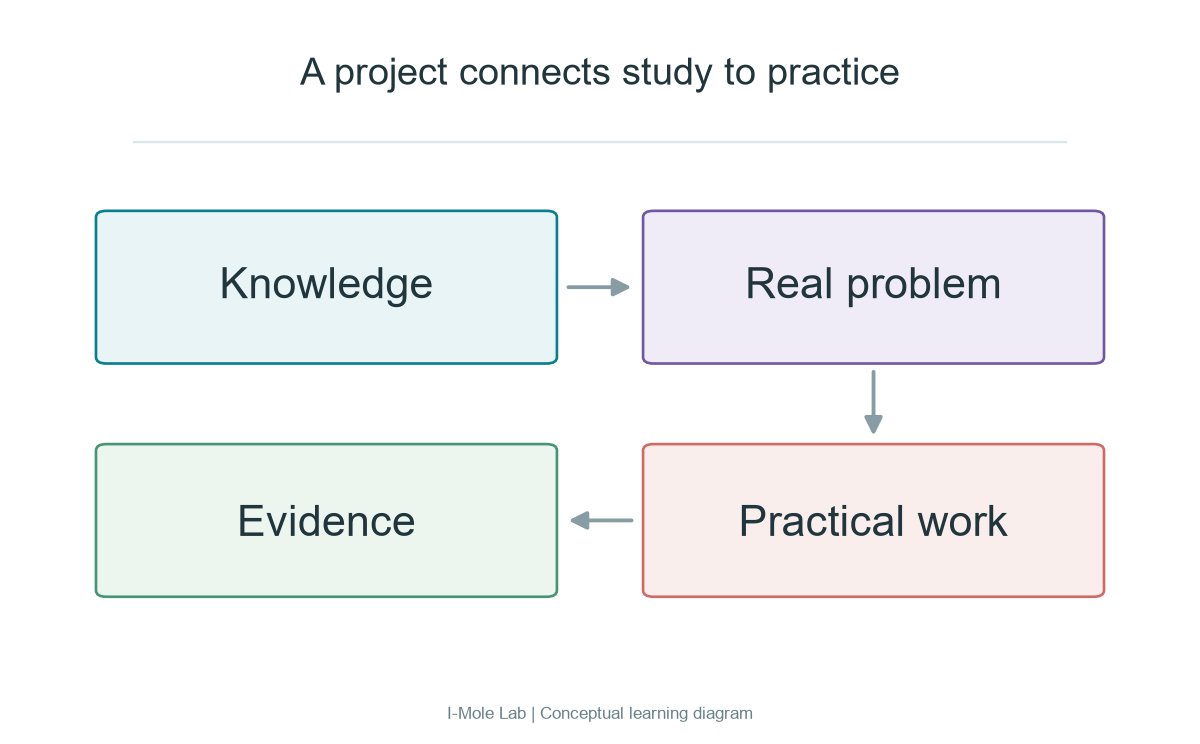
A graduation project is not just another course in the final year. It is the final stage and the crown of your university journey. It is the practical summary of what you studied during the past four years, but instead of proving yourself in an exam paper, you prove yourself through a real product, project, experiment, review, application, or solution to a real problem.
In simple words, the university does not only want to know whether you memorized information. It wants to see you thinking, solving problems, working in a team, applying what you learned, and producing something that can be presented, discussed, and improved.
What is the real goal of a graduation project?
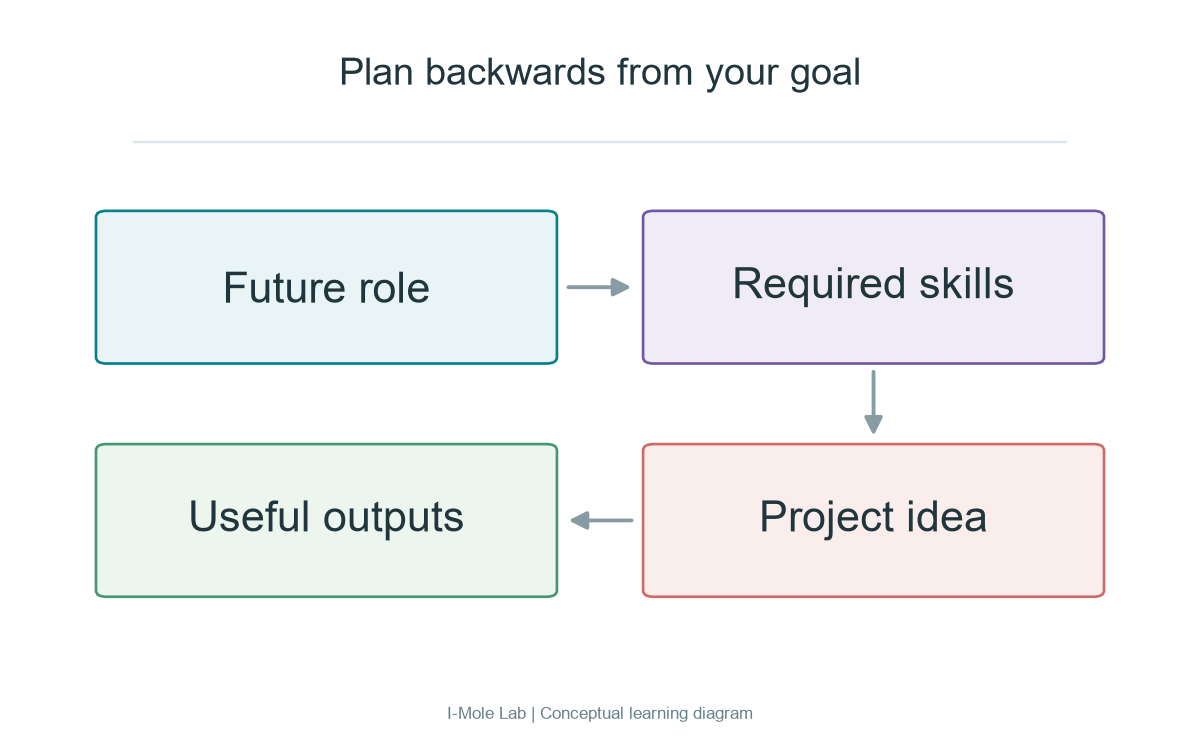
The most important advice is to start from the end and move backwards. Before choosing the idea, ask yourself: Where do I want to work after graduation? What skills does this field require? How can I include these skills in my graduation project?
Do not choose a random project just because it is easy or available. Try to choose a project that supports your future path. Your graduation project can become one of the first strong items in your CV and your first proof that you have real practical skills.
Example
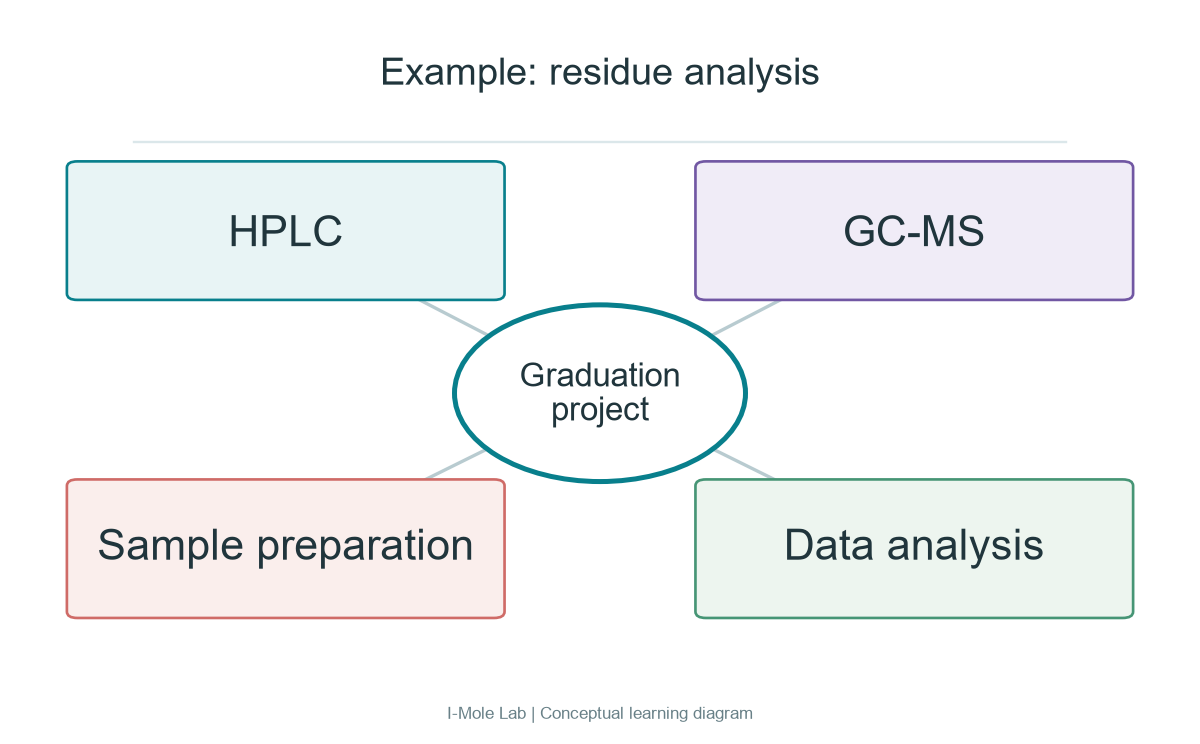
For example, if you want to work in pesticides, specifically in a residue analysis laboratory, ask people working in these labs what techniques are required. Do you need to learn HPLC, GC-MS, sample extraction, method validation, or data analysis? Once you know the required skill, try to include it in your graduation project so that you graduate with both a project and a useful practical skill.
What does the university want to see?
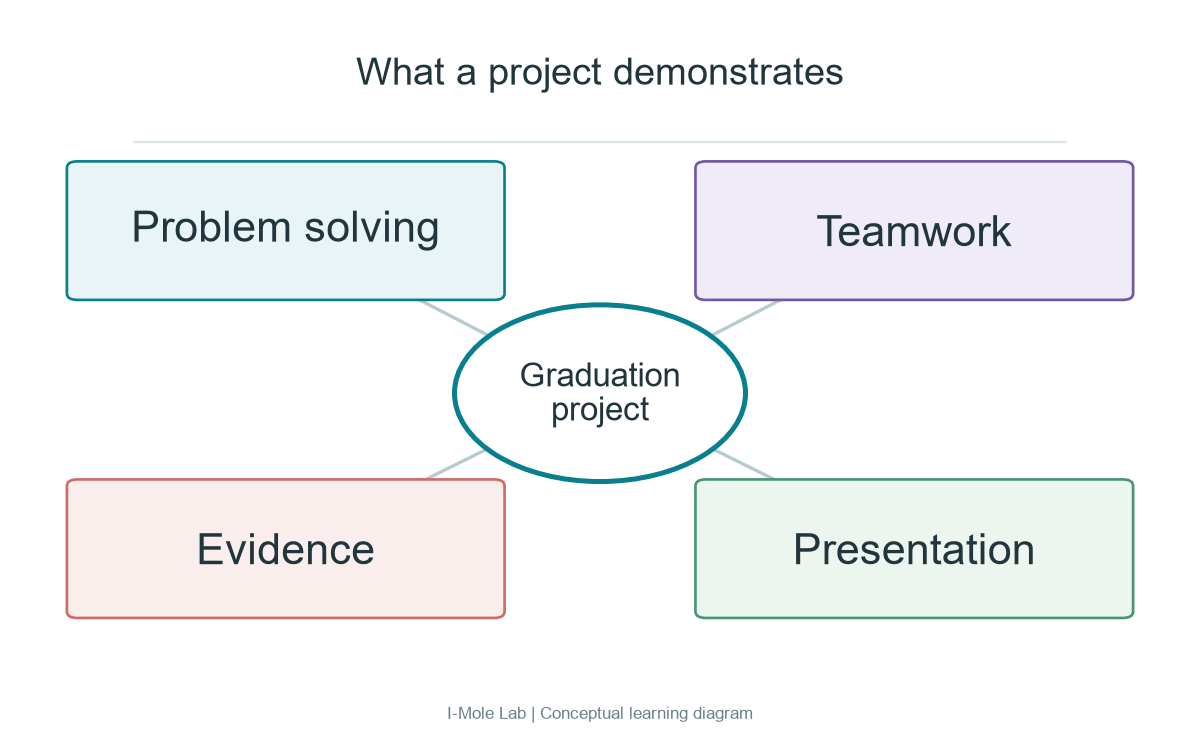
The university wants to see that you can think, solve a problem, work within a group, search, learn, apply, present, and defend your work. Your project may become the beginning of a research paper, a review article, a startup idea, a practical solution, or at least a strong training experience that gives you real skills.
The project starts with a problem
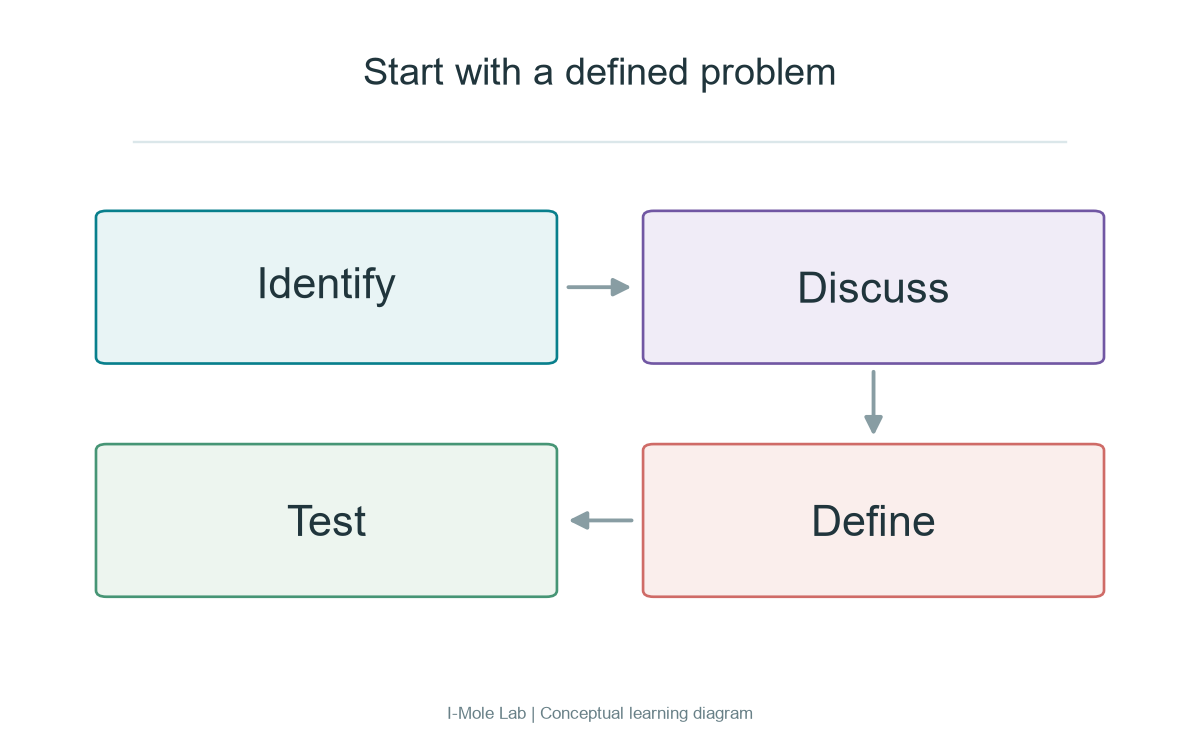
Most strong projects begin with a problem. It may be a problem in society, industry, agriculture, health, environment, technology, or education. You and your team discuss the problem, suggest possible solutions, and then agree on a realistic idea with your supervisor.
The idea does not have to be perfect from the first meeting. It can develop over time. What matters is that it is clear, useful, possible to implement, and related to your skills and future direction.
Choosing the supervisor
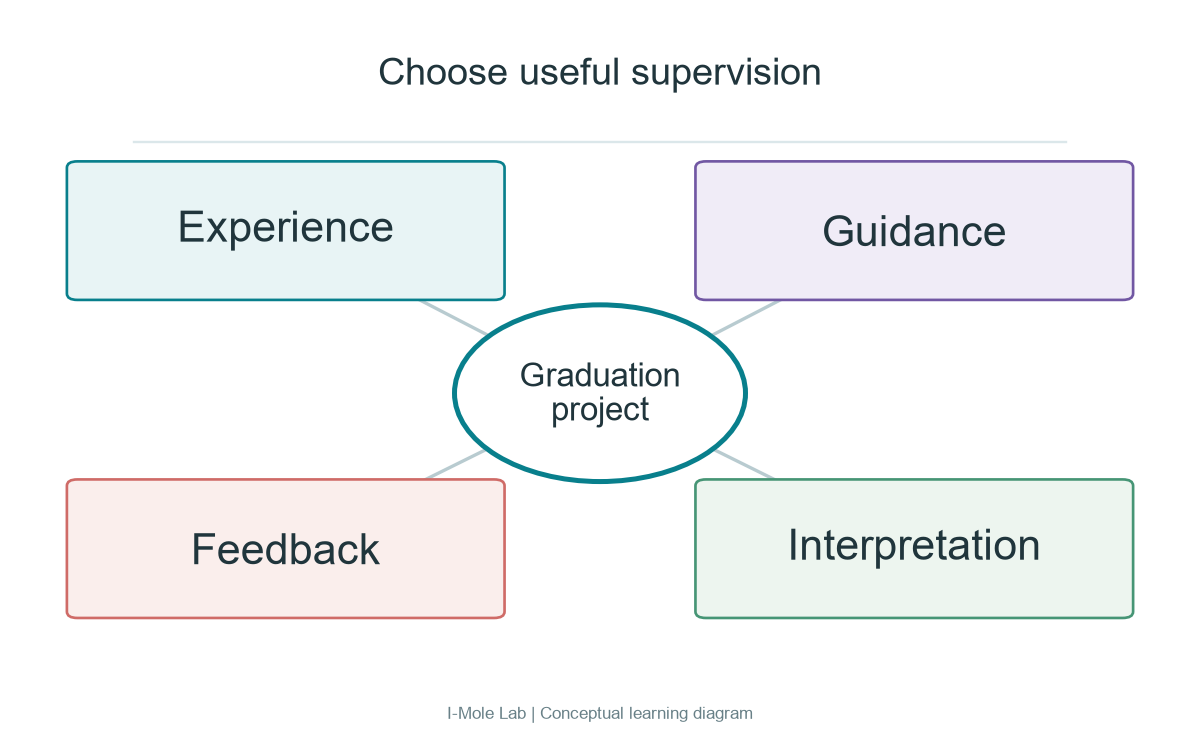
The supervisor is not just a doctor who signs the project. A good supervisor guides you, teaches you, corrects your direction, explains the meaning of results, and helps you understand how research or project work really moves.
Choose a supervisor who has experience in the area of your project. They should be able to explain the steps, the meaning of each result, the possible problems, and how to solve them. Sometimes supervisors suggest the ideas themselves, and that is completely fine. But it is still better to make sure the project also serves your own future goals.
Your role with the supervisor
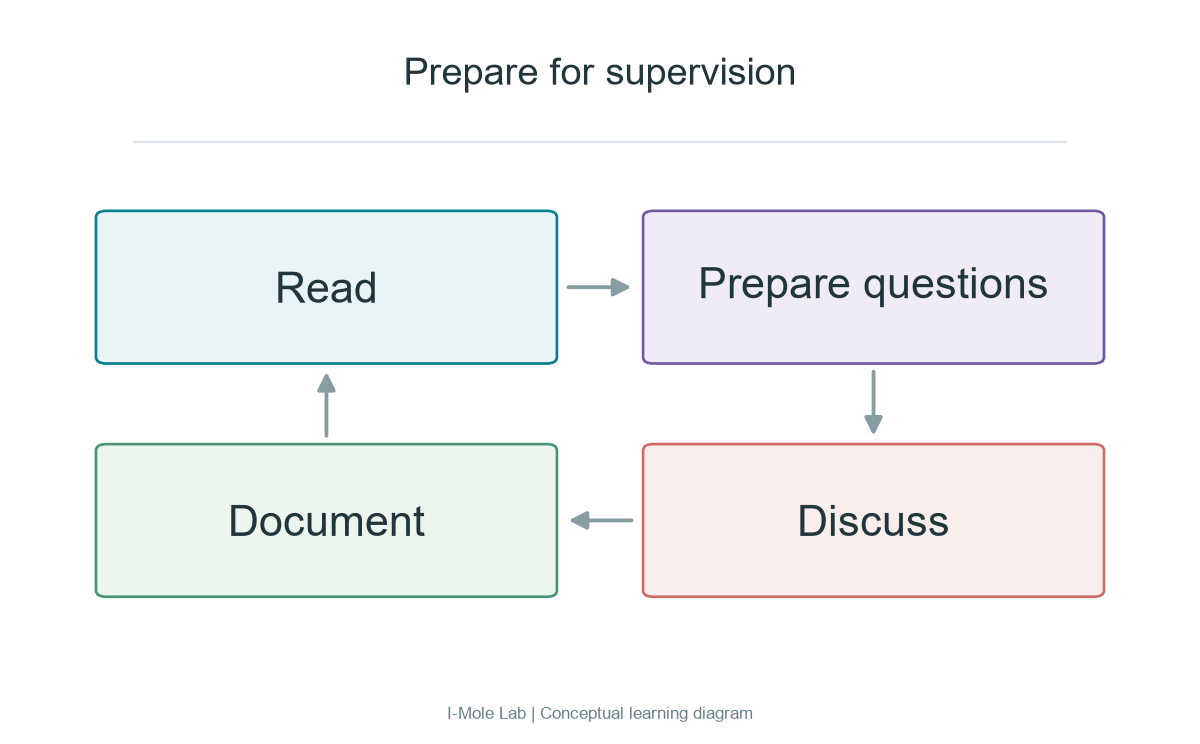
The relationship with the supervisor should not be passive. Do not wait for them to do everything. Read before meetings, prepare questions, document your work, suggest ideas, and show commitment. The supervisor guides you, but you must also be active, organized, and serious.
Step One: Build the team
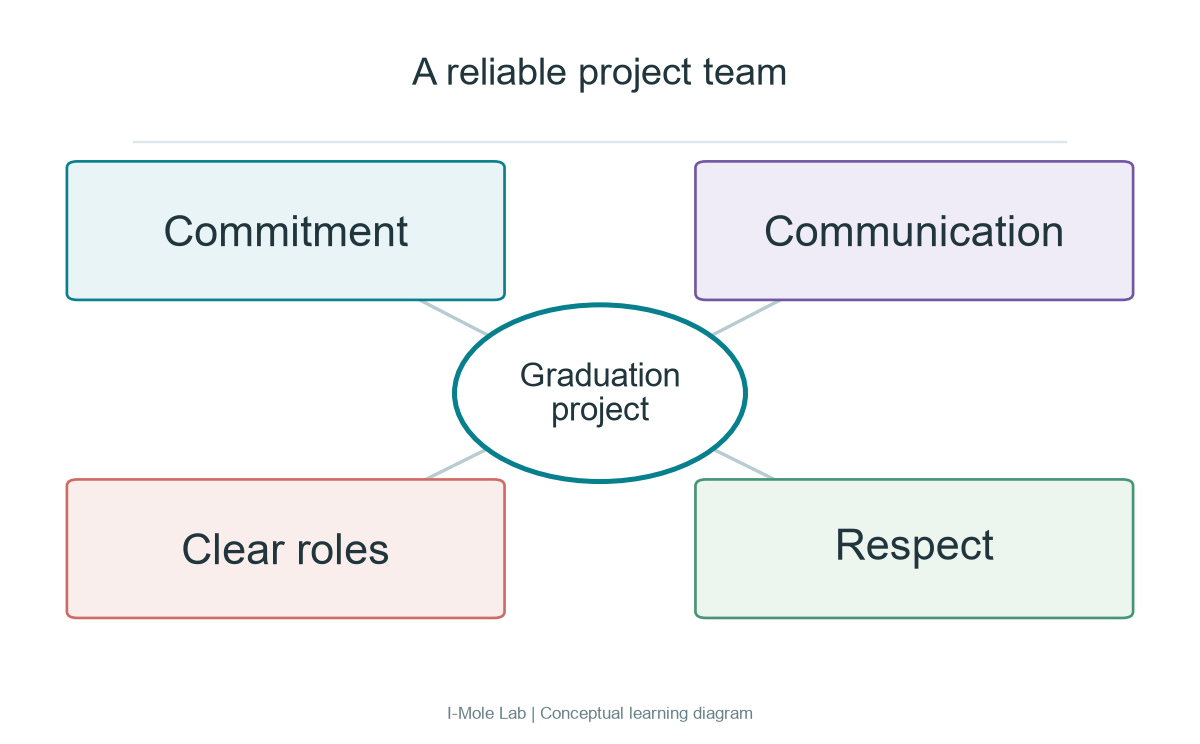
The first practical step is choosing the team. Do not choose only based on friendship. Choose people you can actually work with. A successful team does not need every member to be a genius, but it needs commitment, respect, communication, and clear responsibilities.
Usually, a graduation project group may include three to seven students depending on the department. Each member should have a role and a value. One may be strong in literature search, another in practical work, another in data analysis, another in writing, another in design and presentation. The important point is that everyone contributes and everyone understands the project.
Step Two: Choose the idea
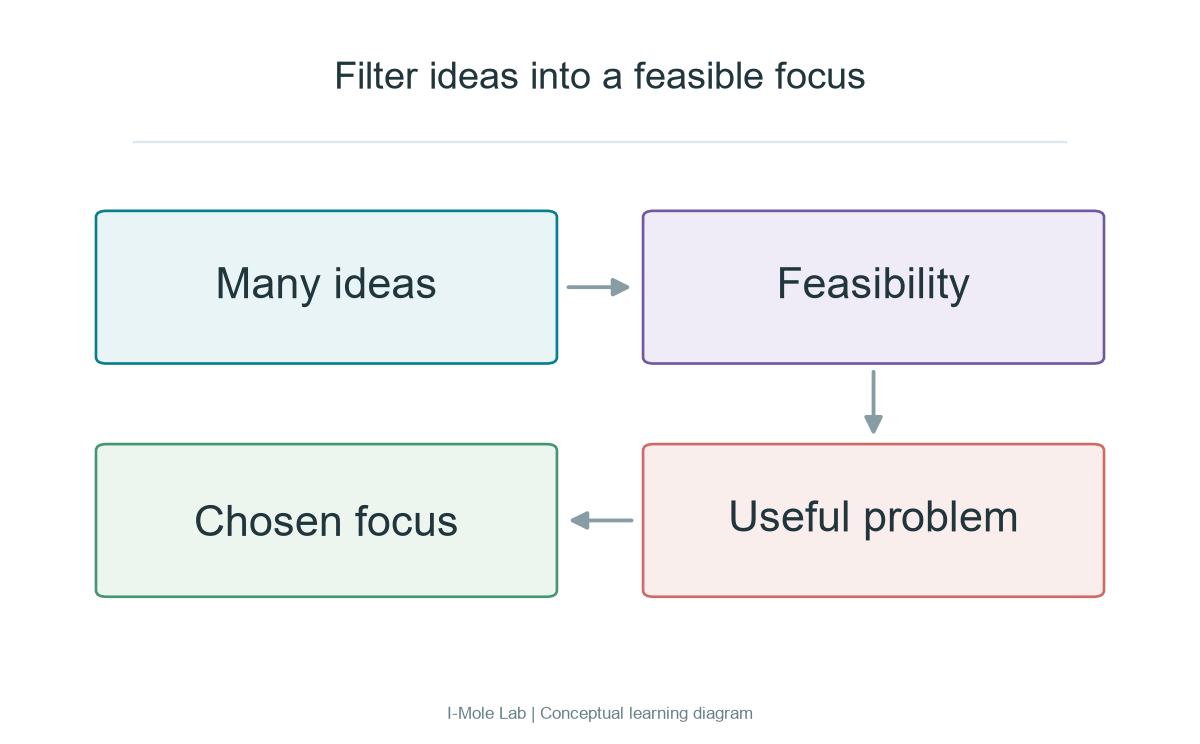
After forming the team, start brainstorming. At first, many ideas may sound unrealistic, weak, or incomplete. That is normal. Discuss, remove, modify, and combine ideas until you reach something strong enough.
A strong idea does not have to be complicated. It should be clear, realistic, connected to a real problem, and possible within your time, budget, and available facilities. Ask yourselves: Does the idea solve a problem? Can we implement it? Do we have a supervisor who can guide us? Can it lead to a report, poster, presentation, practical skill, review, or publication?
Step Three: Plan the work
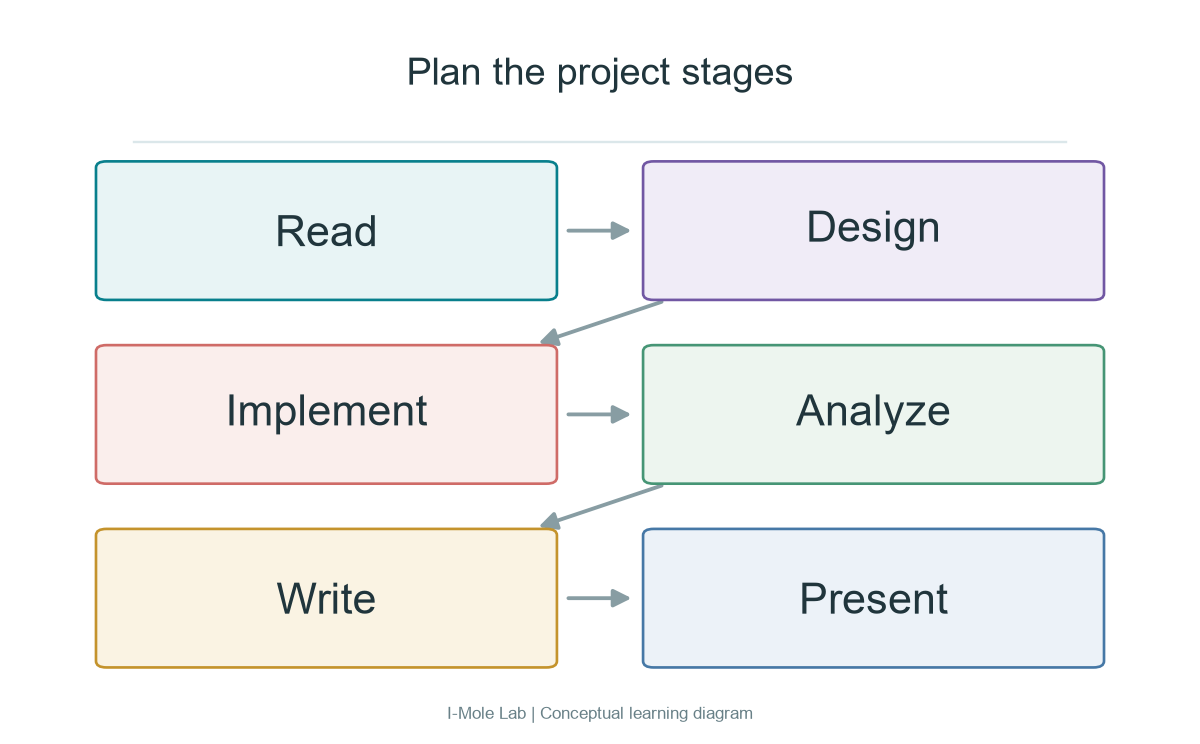
Before execution, create a timeline. Do not leave everything until the final weeks. A simple plan can save the whole project. For example, you can dedicate time for literature search, time for experimental design or project planning, time for implementation, time for data analysis, time for writing, and time for presentation preparation.
Even if the plan changes, having a plan is better than working randomly. Without a timeline, the project usually becomes stressful near the deadline.
Step Four: Distribute responsibilities
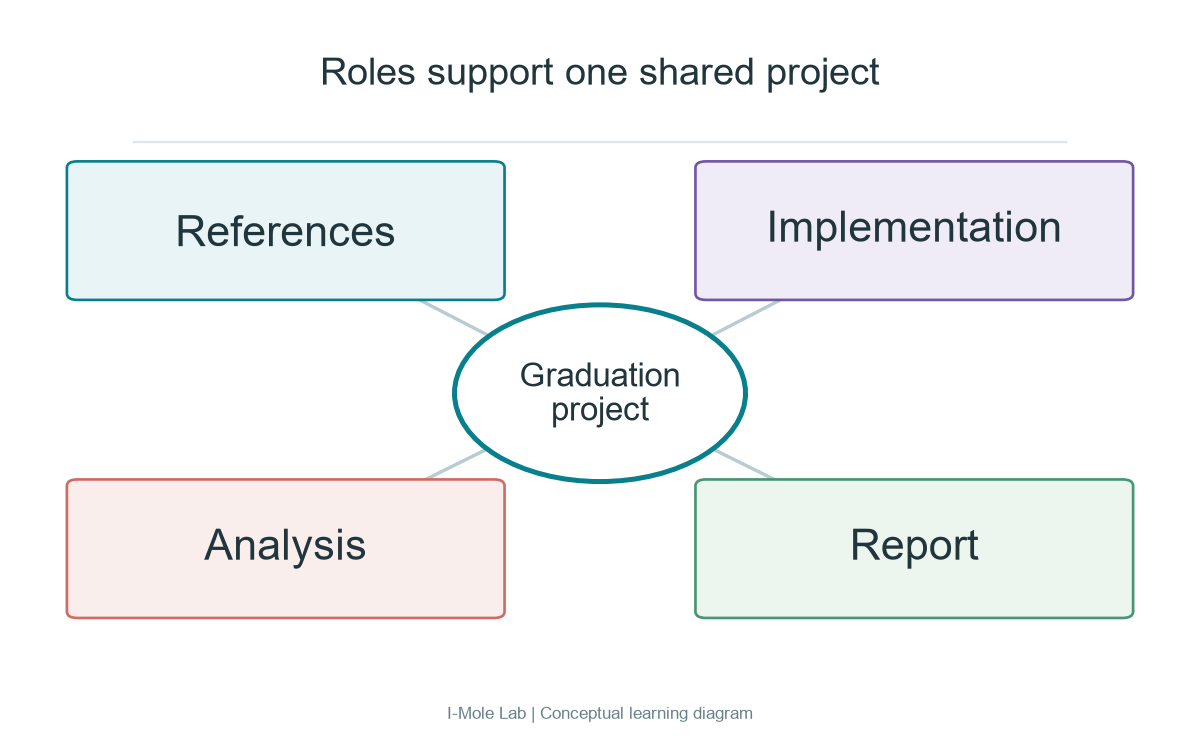
From the beginning, divide the roles clearly. One person can be responsible for references, another for experiments or implementation, another for analysis, another for writing, another for the PowerPoint and design. But this does not mean each person only understands their own part. Everyone must understand the general project and be able to answer basic questions about it.
Step Five: Document everything
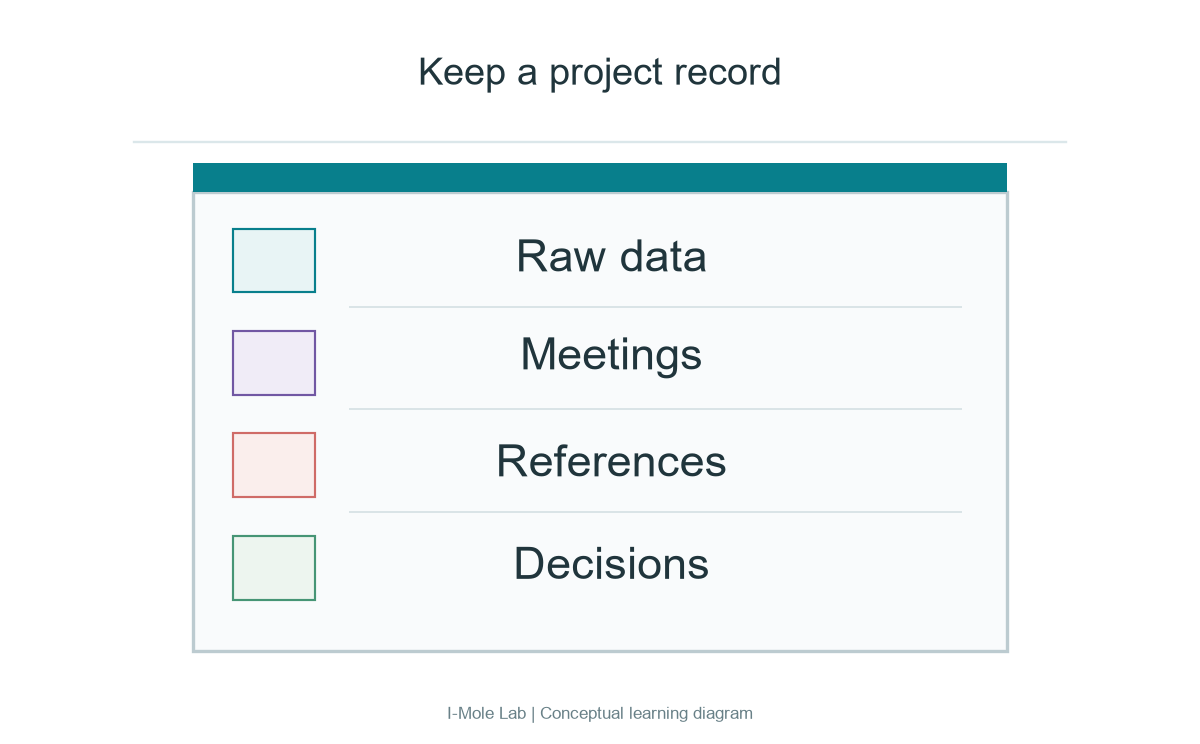
Documentation is one of the most underestimated parts of a graduation project. From day one, document your meetings, rejected ideas, experimental steps, failed trials, photos, raw data, references, decisions, changes, and problems. This will make writing the report much easier later.
Good documentation also helps you explain the development of the project. It shows that you did not just jump to the final result, but you went through a real learning and problem-solving process.
Step Six: The execution stage
This is the difficult part, and it is where the real learning happens. If you are in engineering, you may build a prototype or device. If you are in computer science, you may program an application or system. If you are in business, you may create a feasibility study. If you are in science, agriculture, pharmacy, biotechnology, or a related field, you may perform experiments, analysis, bioinformatics, molecular docking, a review article, or another suitable application.
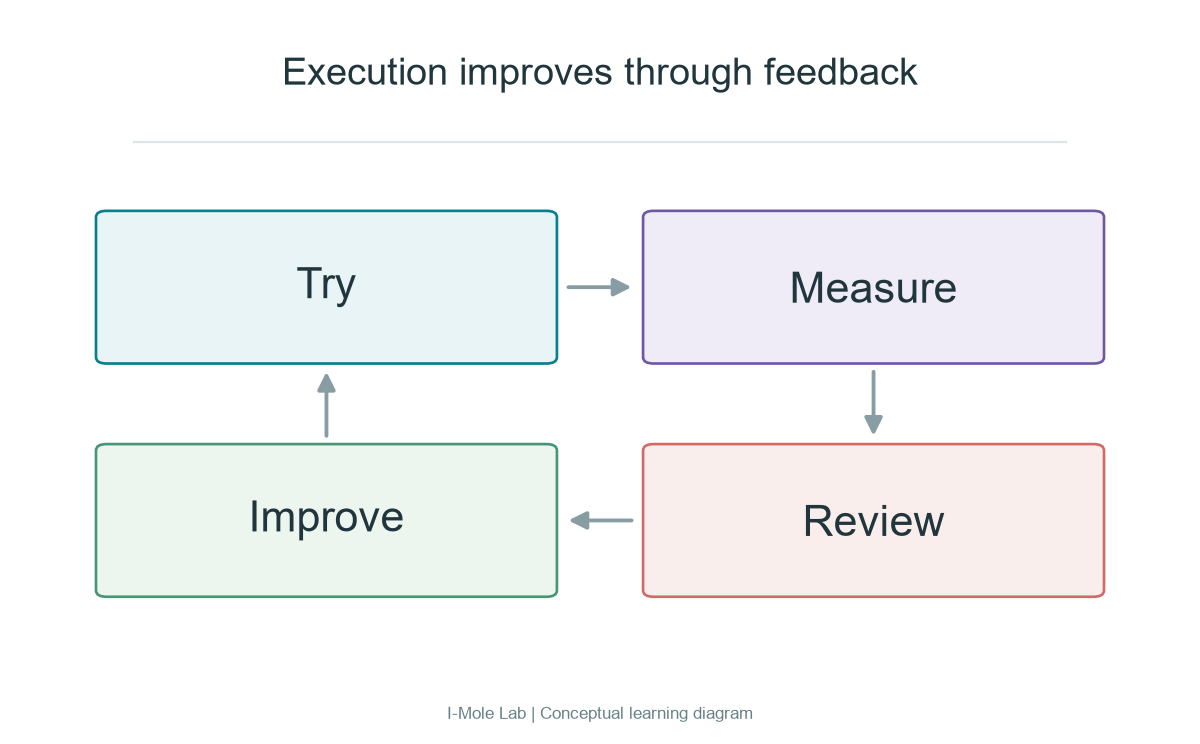
During execution, problems will appear. An experiment may fail. A device may not be available. Data may be incomplete. A team member may be late. The results may not make sense at first. This is normal. The value of the project is not only in the final result, but also in how you think, troubleshoot, adjust, and learn.
Handling group conflicts
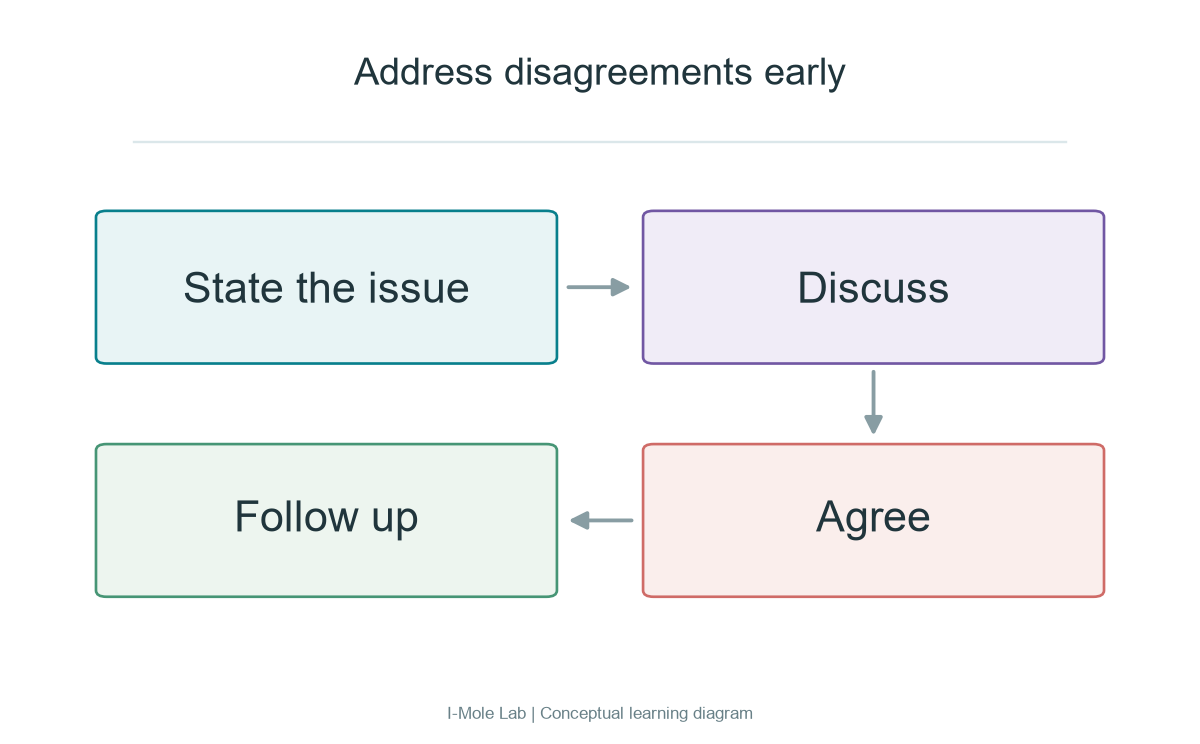
Group conflicts are normal. What matters is how early and clearly you handle them. Agree from the beginning on deadlines, communication methods, responsibilities, and how decisions will be made. Do not allow small problems to grow silently. Talk early, stay respectful, and keep the project above personal tension.
The discussion day
The discussion day is the official evaluation day. You stand in front of a committee and present your project using a PowerPoint presentation. Wear something comfortable and appropriate, something that makes you feel confident without distracting you.
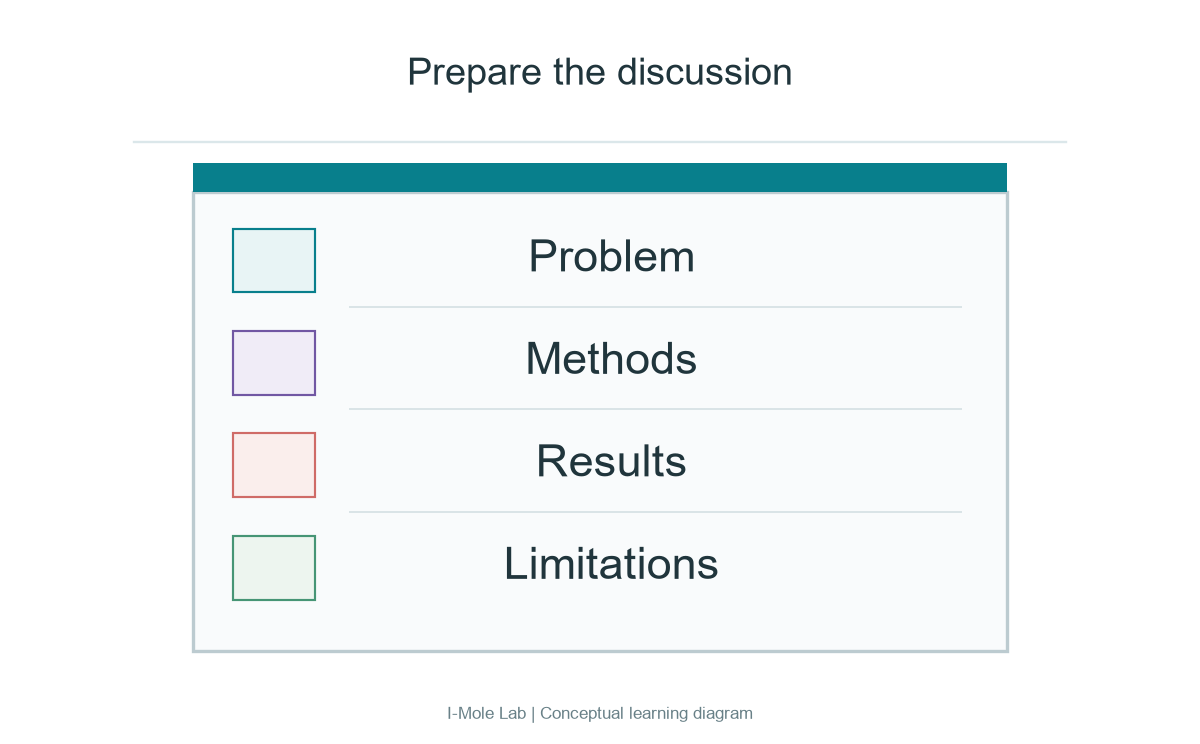
Your presentation should explain the problem, why you chose it, the aim, the methods, what you did, what you found, what the results mean, the difficulties you faced, and what can be done next. The examiners will ask questions to make sure you understand the project and did not just memorize words.
A note about celebration and appearance
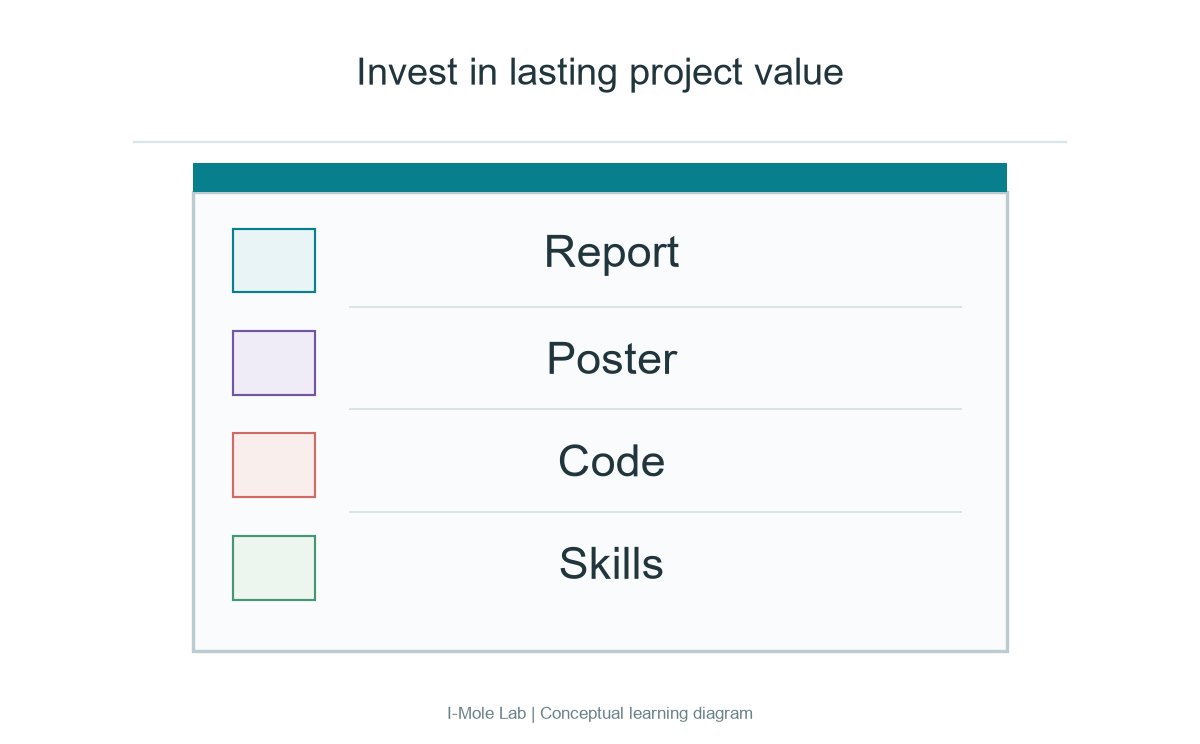
It is good to celebrate your graduation project, but I personally do not support excessive spending or unnecessary decoration. If possible, invest the money in something that remains useful: a strong printed report, a poster, a model, a website, a GitHub repository, a course, or improving the project itself. Of course, enjoying the day is your right, but balance is important.
Why is the graduation project truly important?
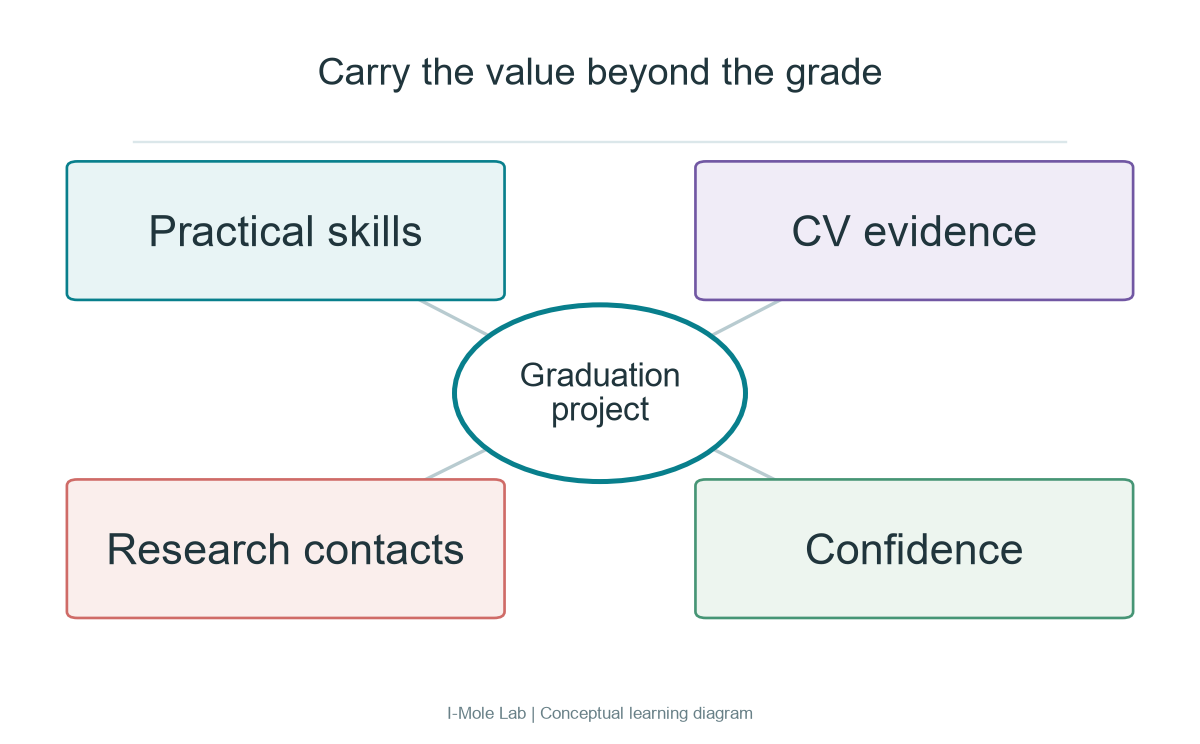
Your graduation project is one of the first practical things you can add to your CV as a fresh graduate. Instead of only writing your degree, you can write that you worked on a specific project, used certain techniques, analyzed data, wrote a report, prepared a presentation, and worked in a team.
It also helps you build relationships with doctors, labs, companies, suppliers, researchers, or people in your field. These relationships may open doors for training, jobs, collaborations, or future research opportunities.
What should the final output be?
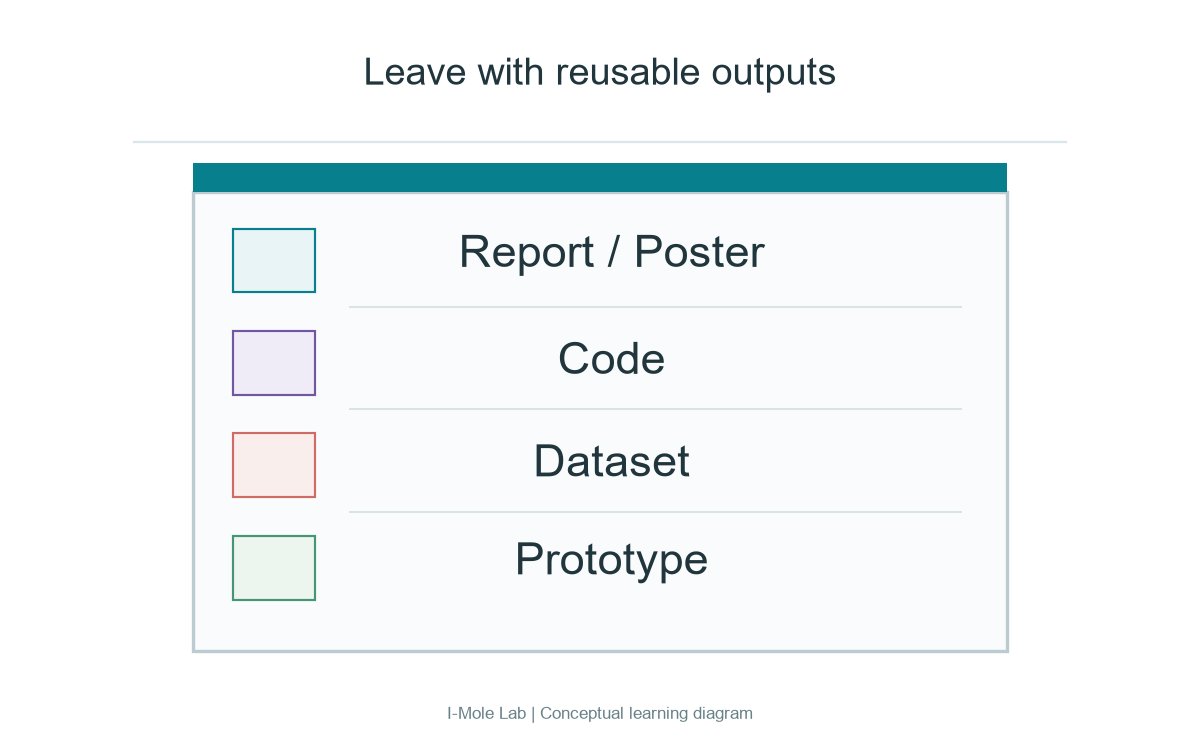
Try to leave the project with something that can benefit you after the discussion. This may be a strong report, a poster, a GitHub repository, a prototype, a dataset, a manuscript, a review article, a professional presentation, or a clear practical skill. The grade will finish, but these outputs can remain in your CV and portfolio.
The confidence you gain
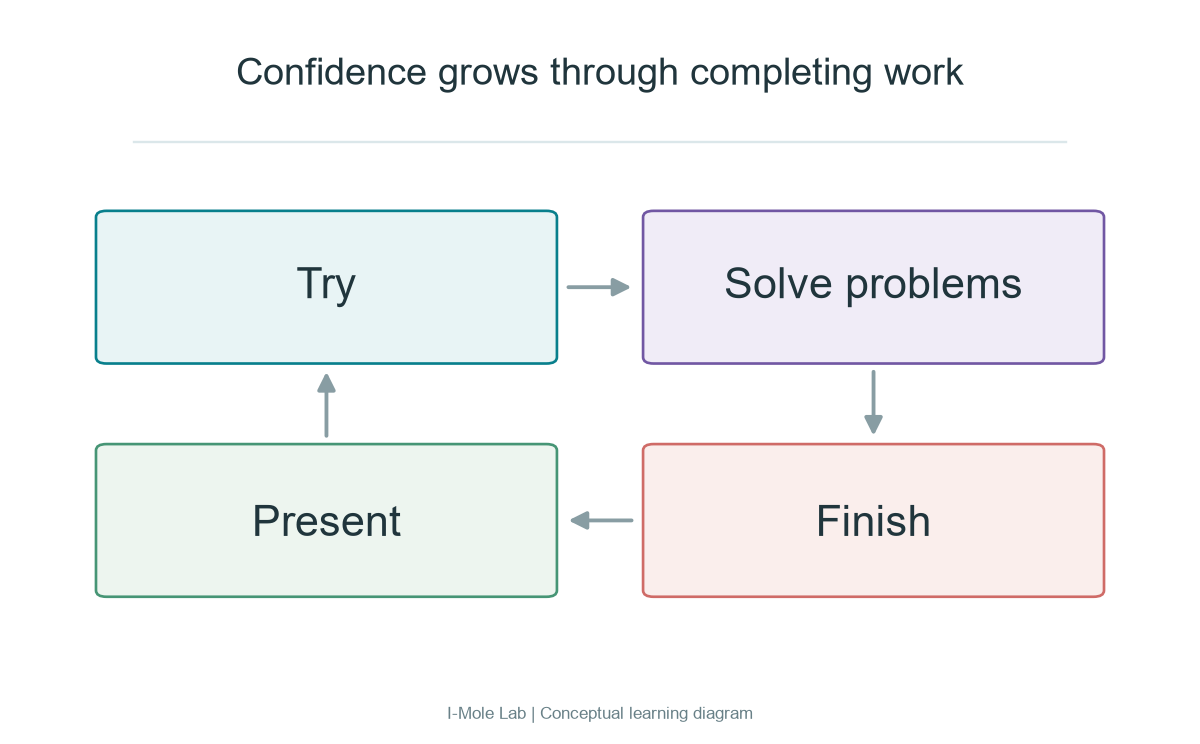
One of the most valuable outcomes of a graduation project is confidence. When you finish something big, overcome problems, and present it in front of others, you feel that you moved from being only a student to someone who can actually produce and contribute.
Final advice
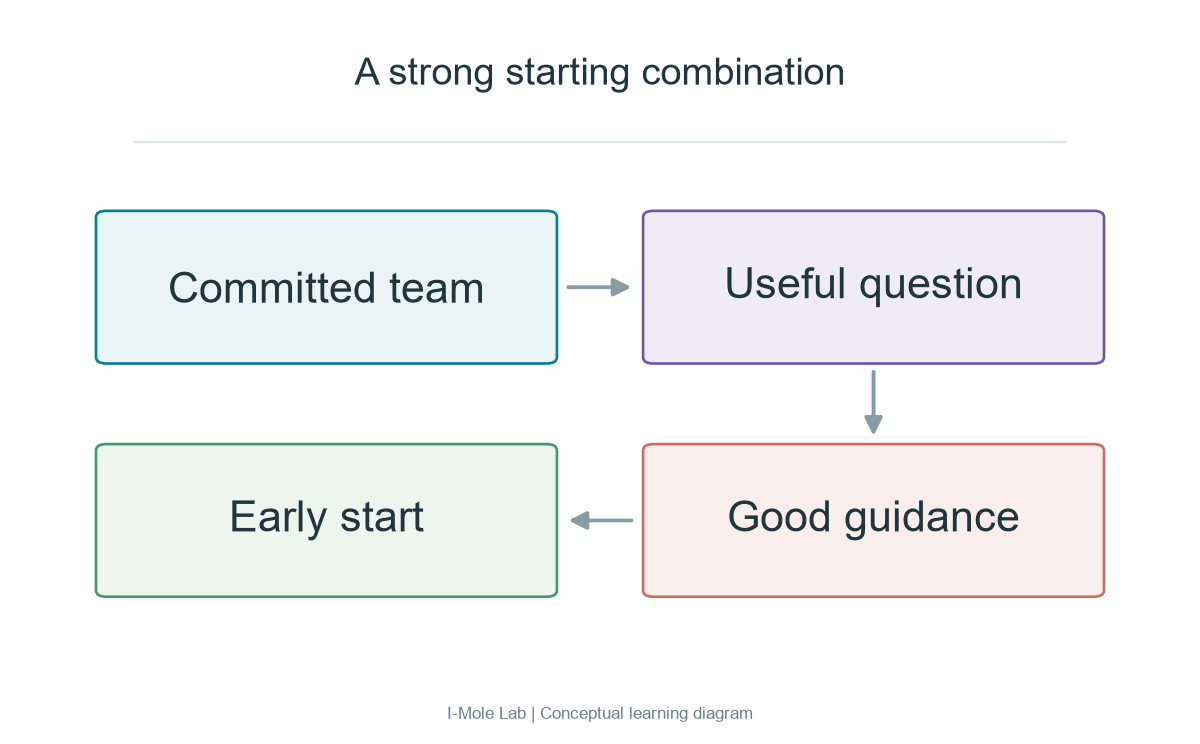
Choose the team before the idea. The idea can be modified, the plan can be improved, and the project can change, but a weak or careless team can make the whole experience exhausting.
Choose committed people, a useful idea, a supervisor who can guide you, and start early. Treat the graduation project as more than a university requirement. It can be the beginning of your real path after graduation.