i-Dock
Service Overview
i-Dock is an integrated computational platform designed to streamline molecular docking and early-stage in silico drug-discovery workflows. It combines ligand and receptor preparation, binding-pocket identification, structure optimization, virtual screening, metal-aware docking, polymer modeling, pharmacophore analysis, ADMET prediction, and automated report generation within a unified workflow. The platform is designed to reduce manual preprocessing, improve consistency across docking projects, and handle chemically challenging systems, including metal-containing targets and polymeric structures. It also includes corrective handling of ligand bond or geometry disruptions that may occur during metal-associated docking preparation.
Current Functional Modules
- Standard Molecular Docking
- Ligand Preparation and Validation
- Ligand Derivative Generation
- Binding-Pocket Identification
- Protein Preparation
- Polymer Docking
- ADMET Analysis
- Virtual Screening
- Polymer Formation
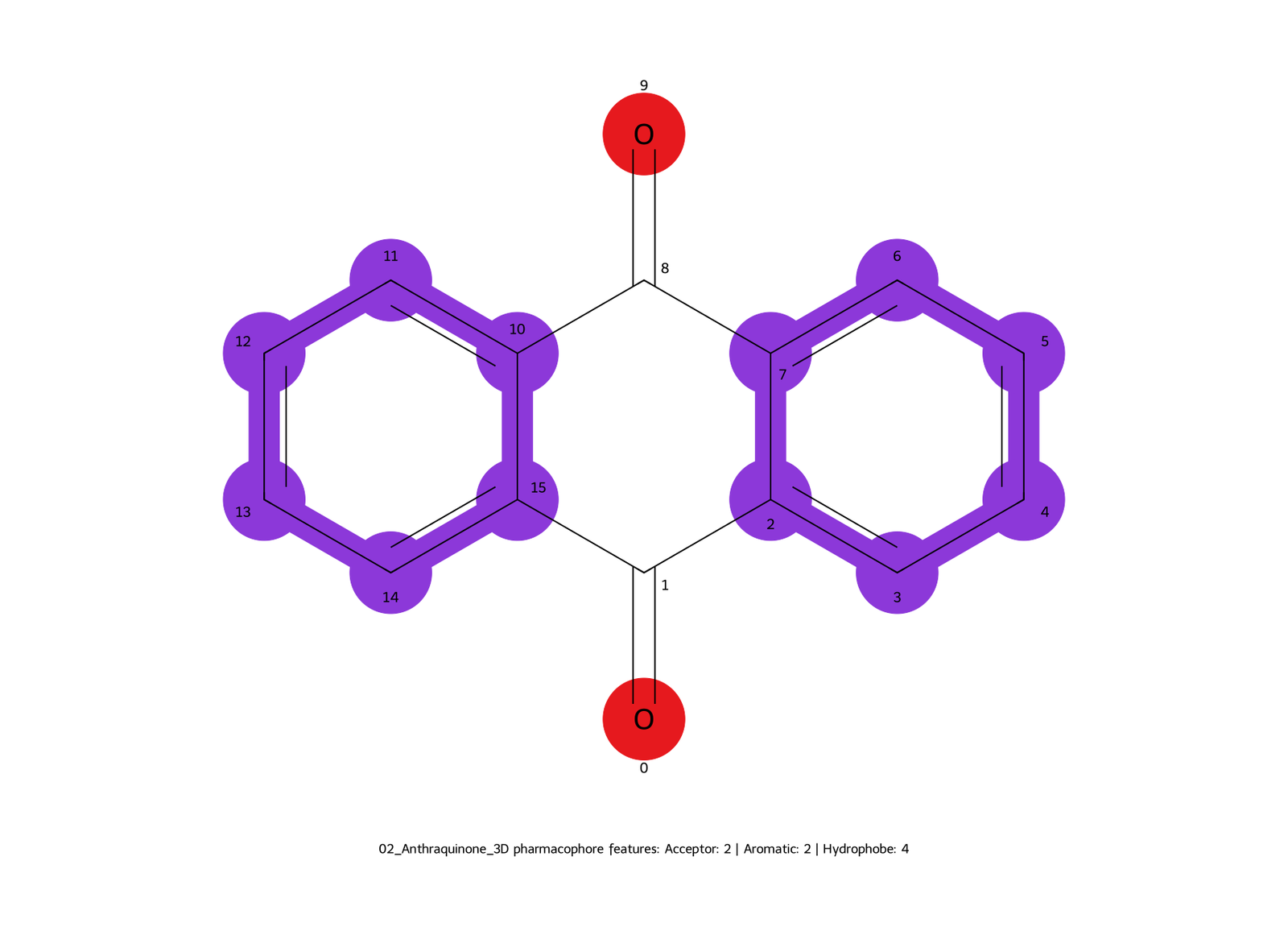
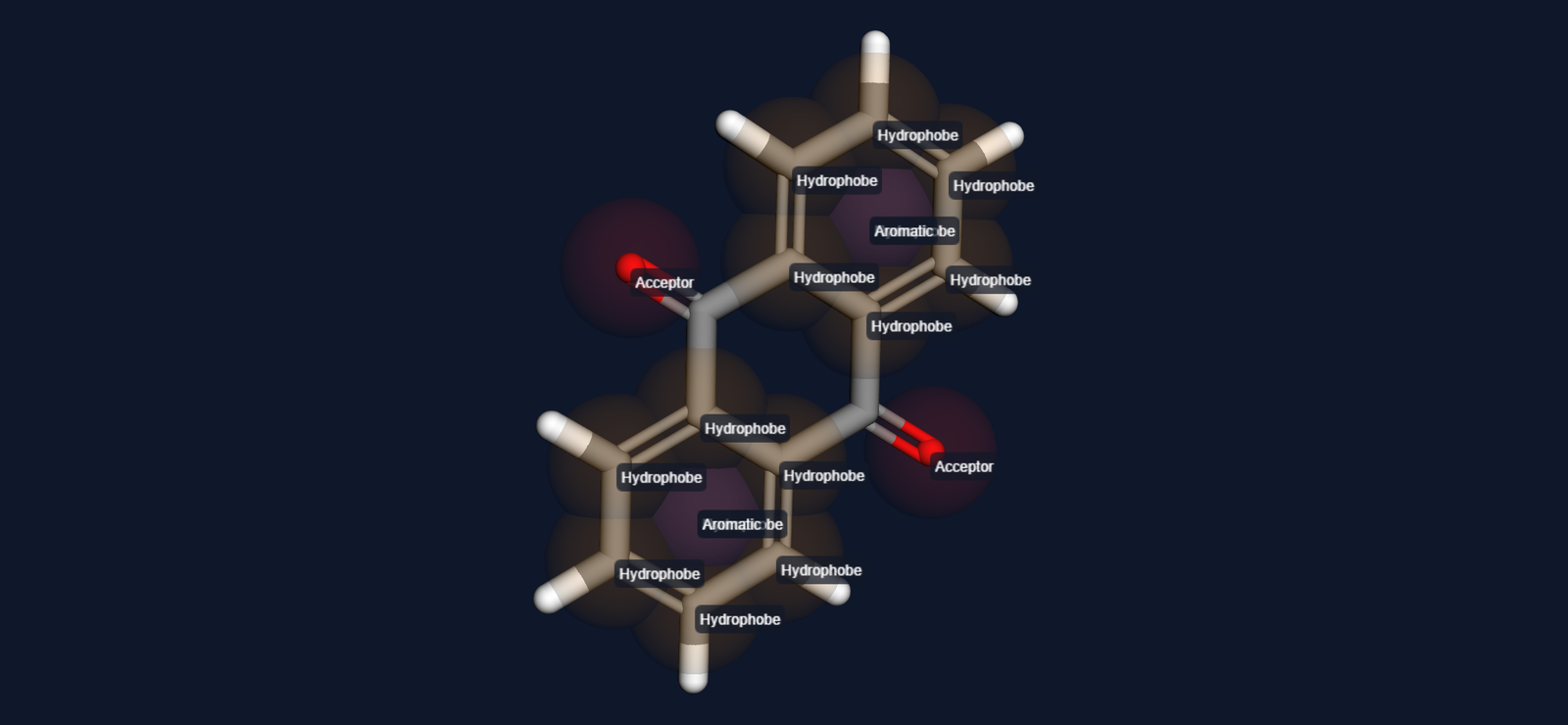
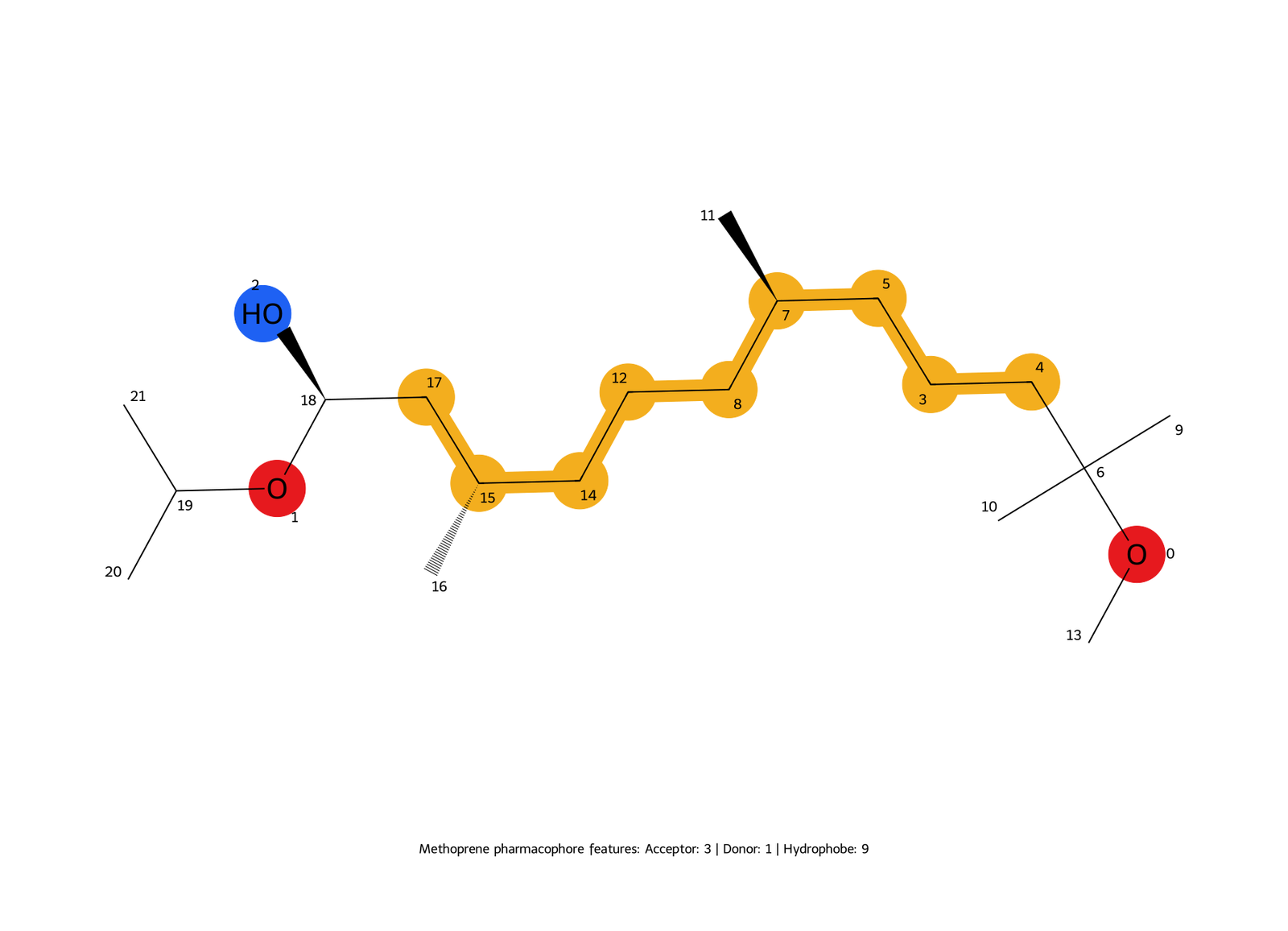
- Pharmacophore Analysis
- Metal-Aware Docking
- 2D Structure Optimization
- Automated Report Generation
- Metal-Related Ligand Repair
- 3D Structure Optimization
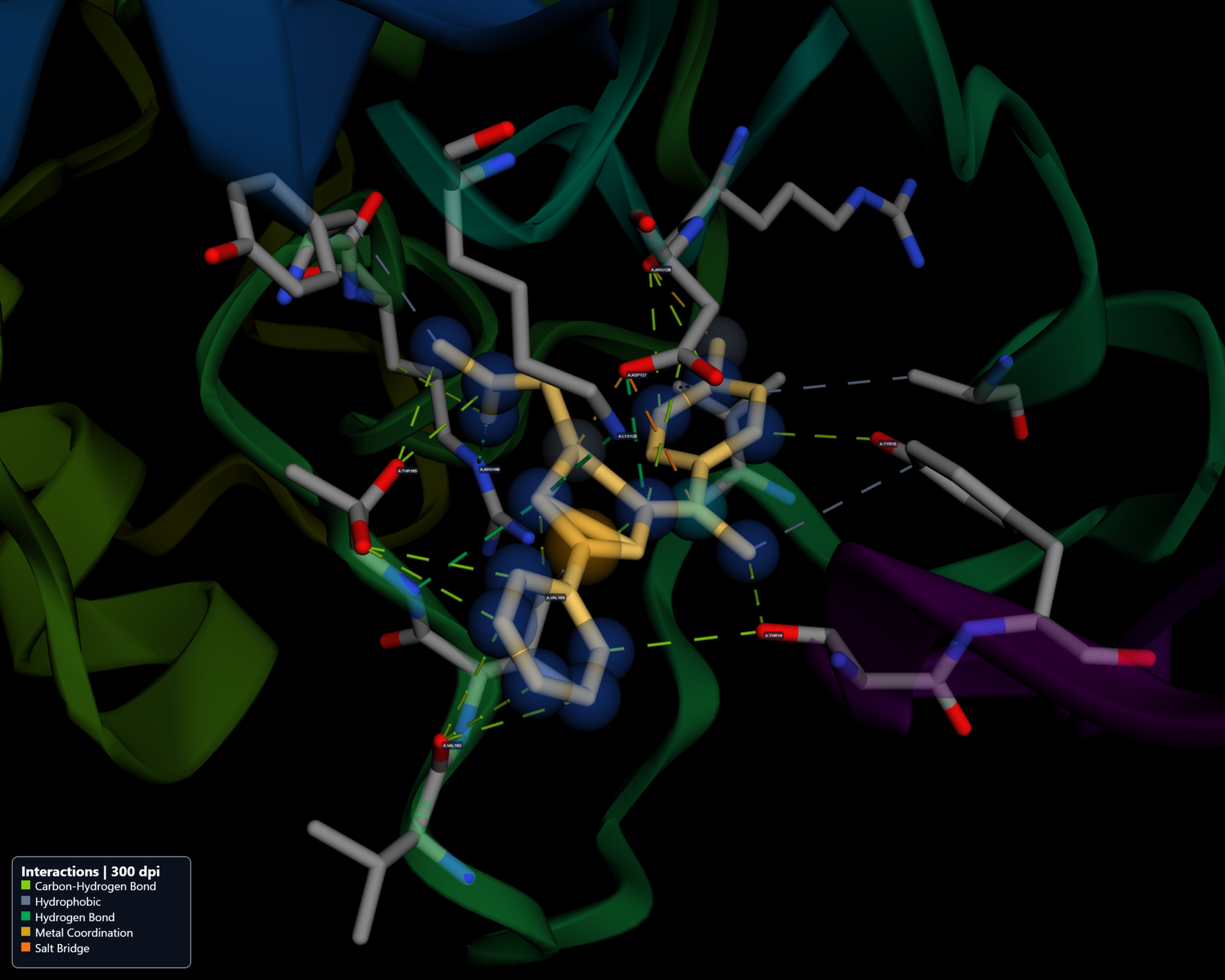
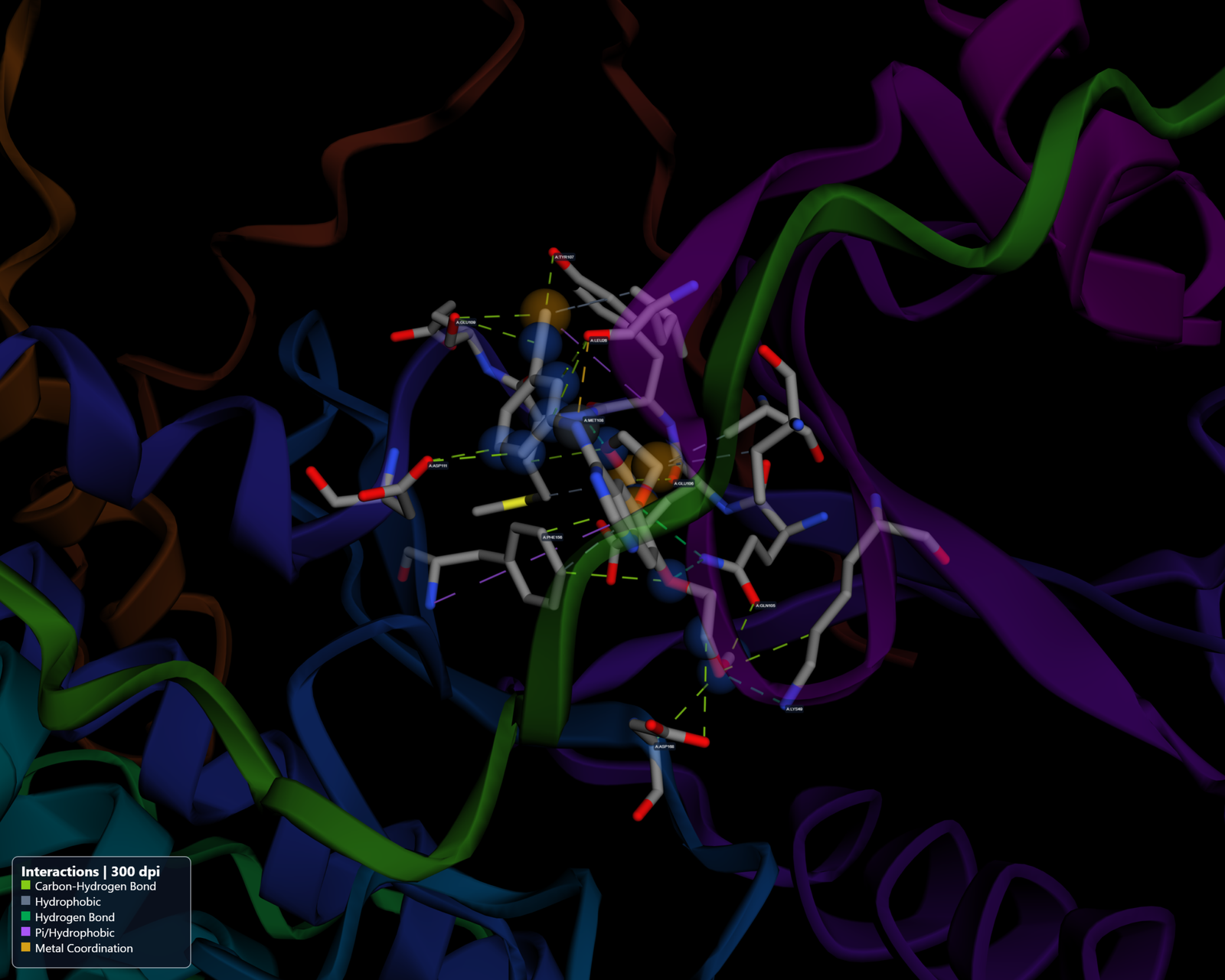
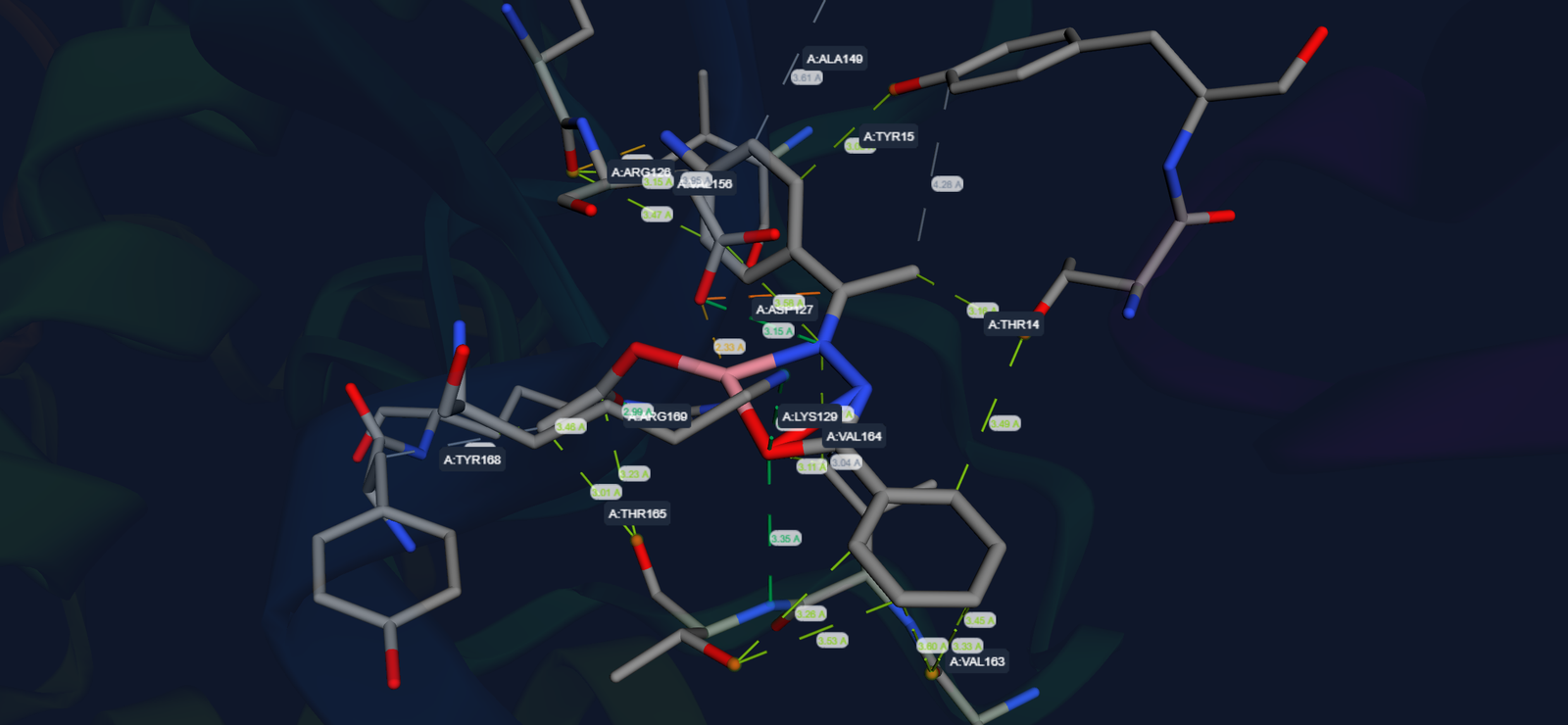
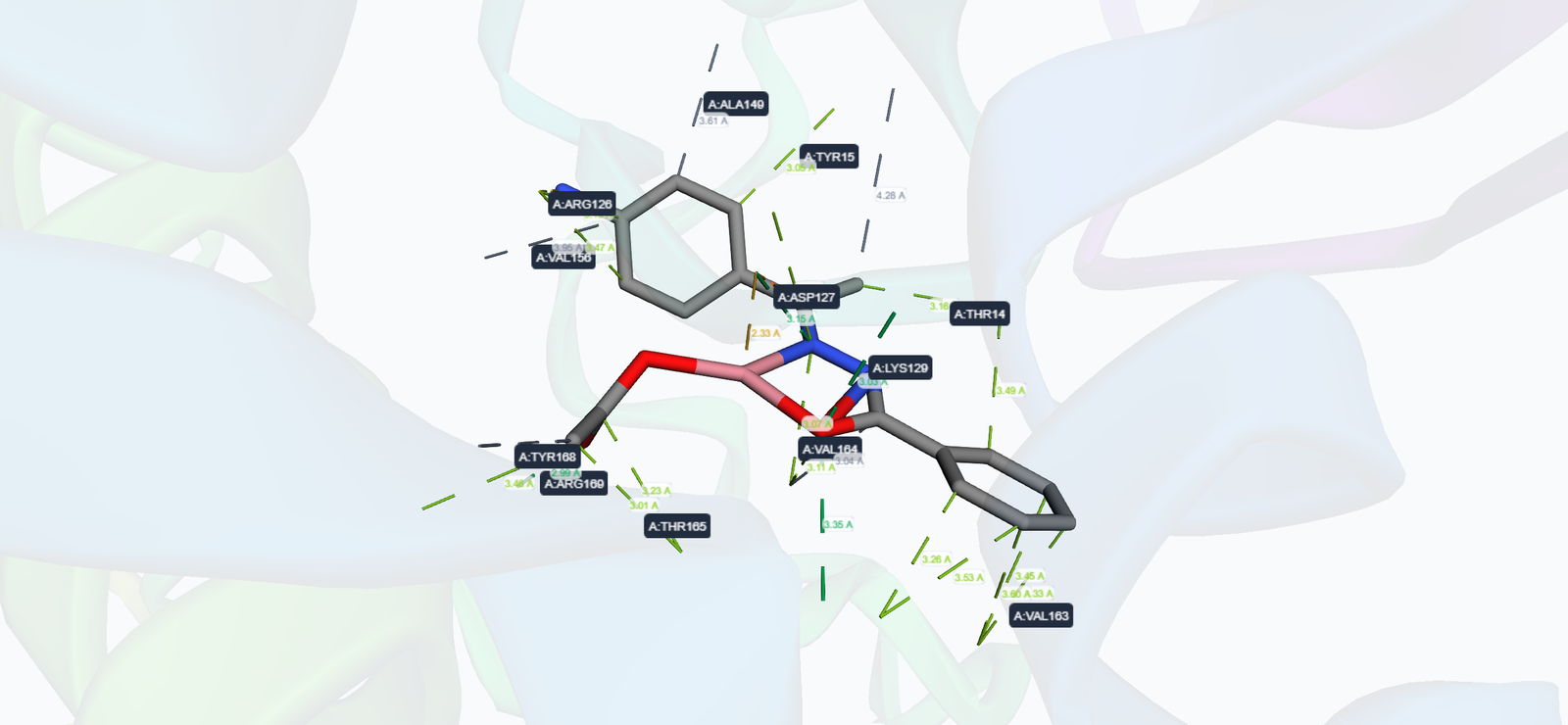
Program Gallery
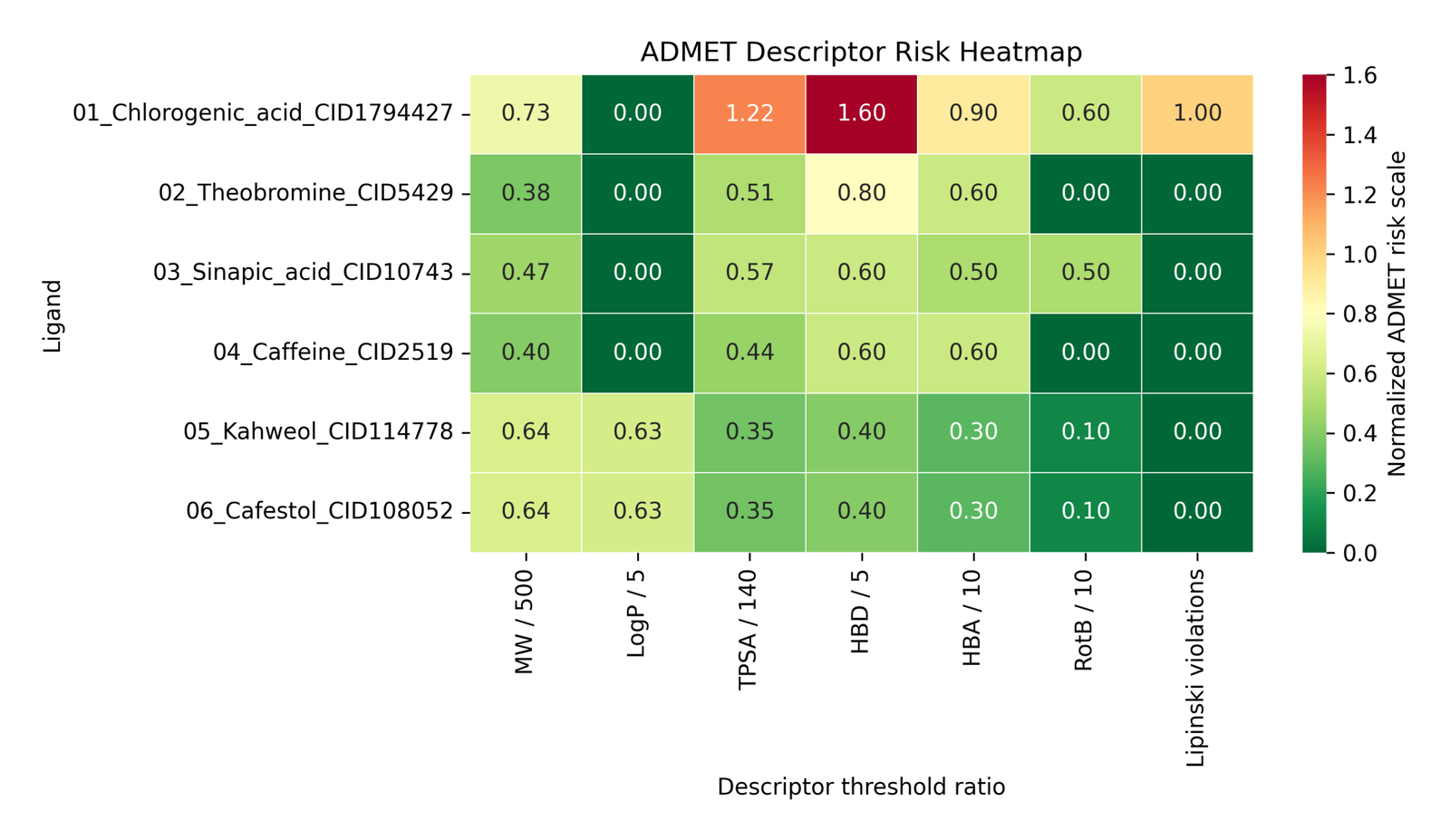
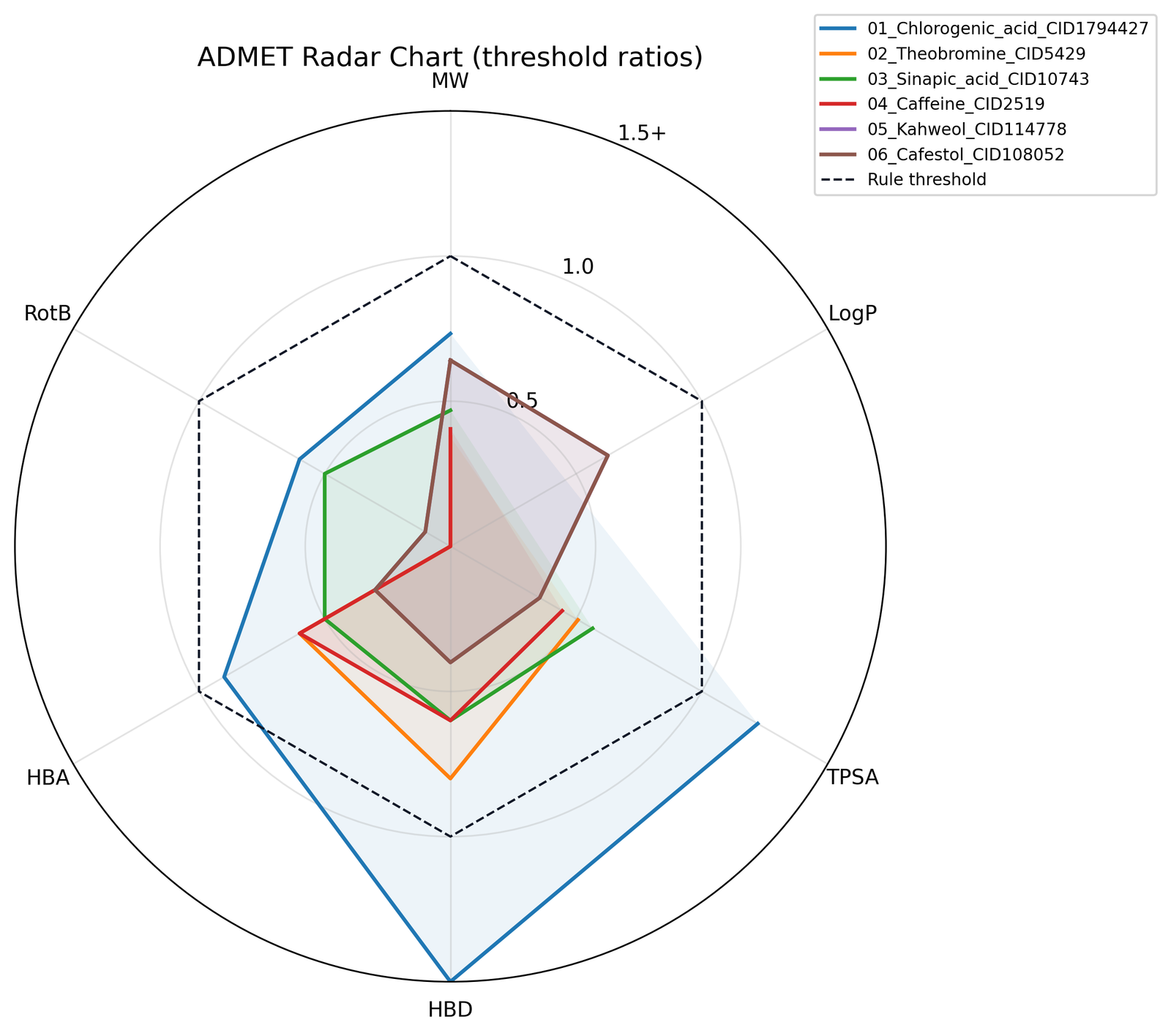
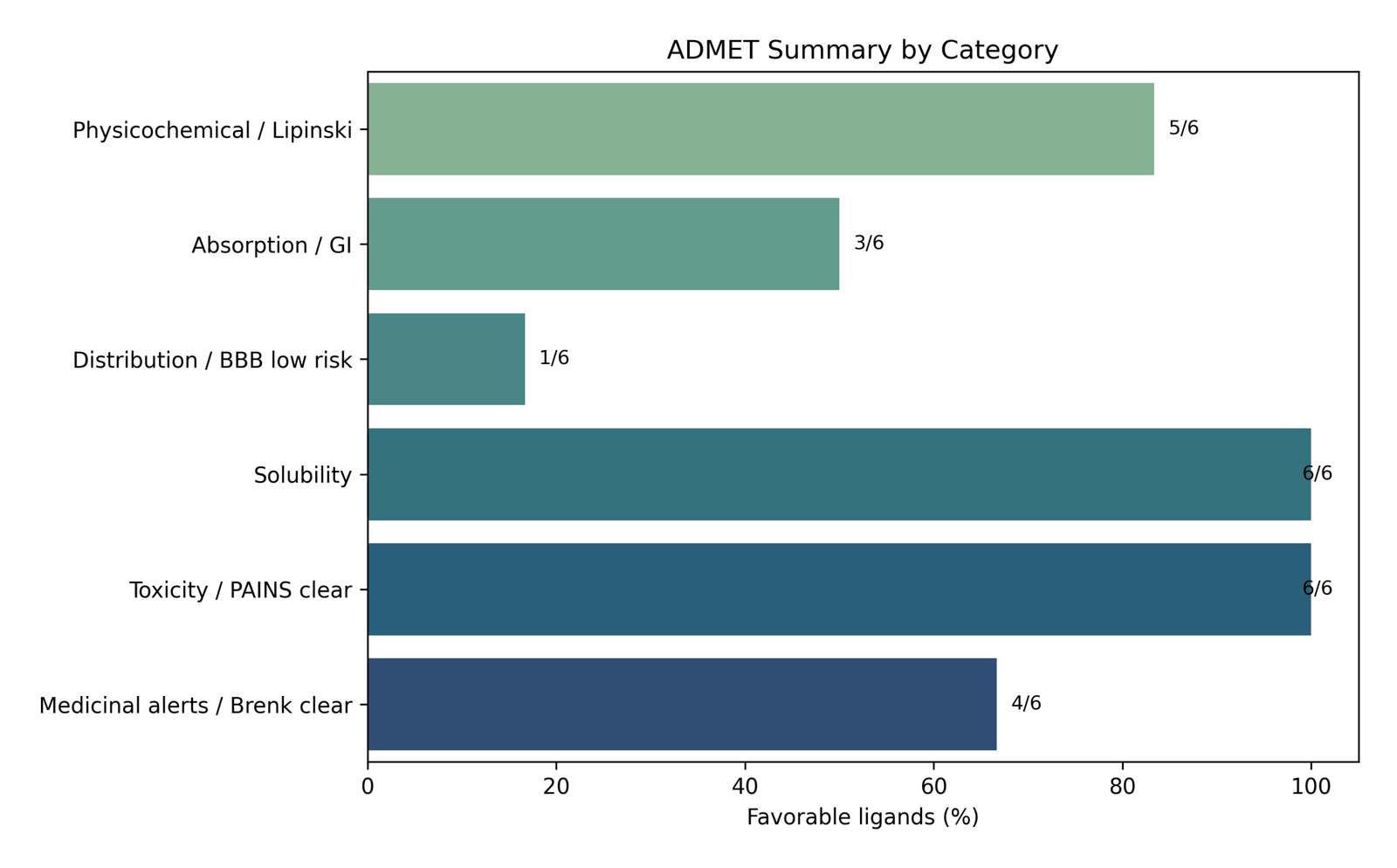
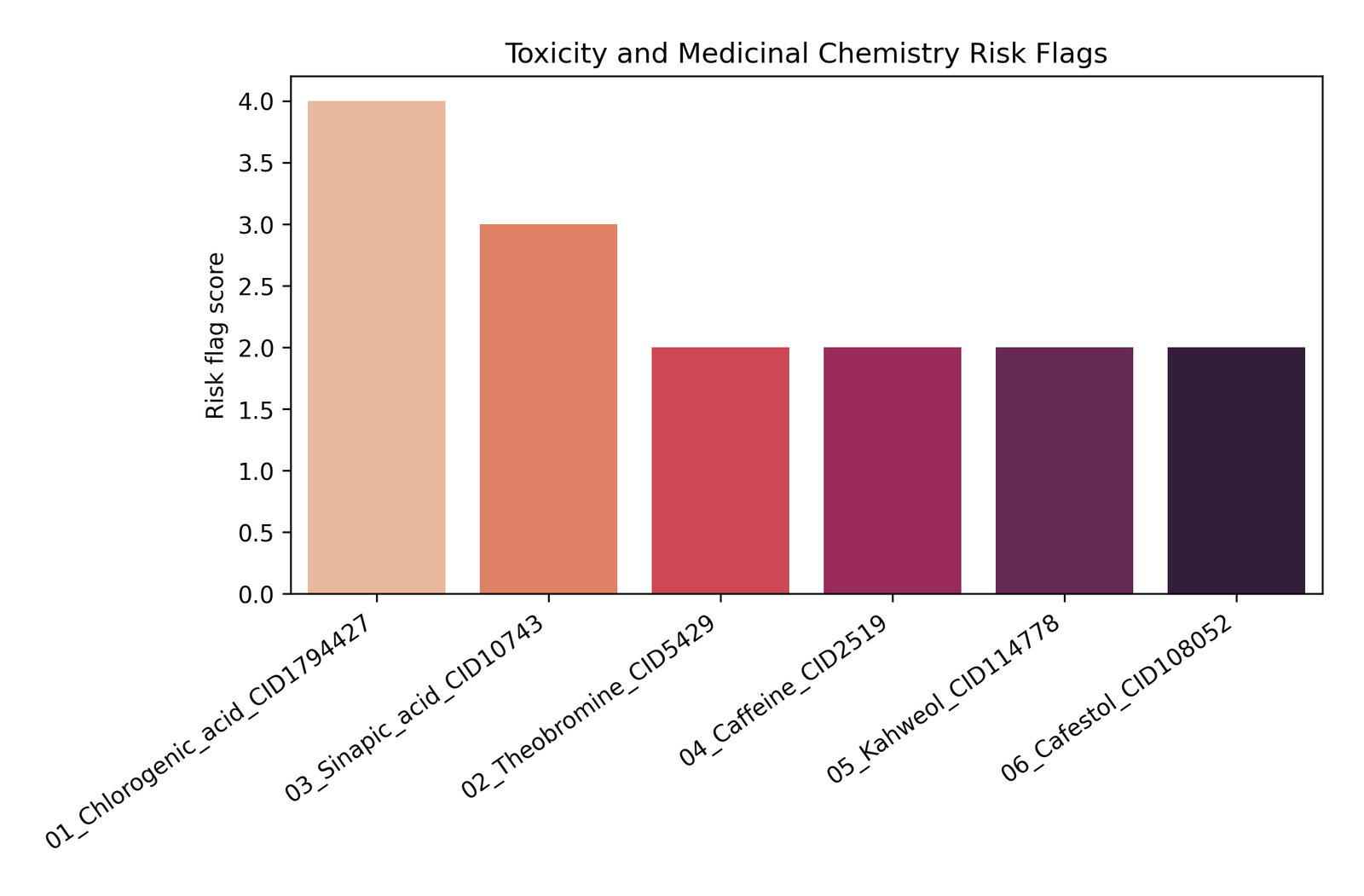
Key Advantages of i-Dock
- End-to-End Workflow Integration
i-Dock brings multiple computational stages into one environment, reducing the need to move repeatedly between separate applications. This makes the transition from structure preparation to docking, screening, property assessment, and reporting more direct while helping maintain consistent inputs and outputs across the full project.
- Broader Molecular Scope
Unlike workflows restricted to conventional small molecules, i-Dock is designed to accommodate proteins, ligand derivatives, metal-associated systems, and polymeric structures. This broader scope makes the platform useful for projects that combine drug-like compounds with chemically complex targets or non-standard molecular materials.
- Improved Handling of Metal-Containing Systems
Metal-associated docking can introduce structural artifacts, including broken or distorted ligand connectivity. i-Dock includes corrective handling for these cases, helping preserve chemically reasonable ligand geometry and reducing the risk that preparation artifacts are mistaken for meaningful docking outcomes.
- Reduced Manual Preparation and Human Error
Automating repeated preparation, optimization, pocket-definition, screening, and reporting steps reduces manual intervention. This can improve reproducibility between projects, minimize accidental differences in workflow execution, and allow researchers to focus more strongly on interpreting biological and chemical results.
- Efficient Screening and Candidate Prioritization
Virtual screening, derivative generation, pharmacophore analysis, and ADMET assessment can be used together to move from a broad candidate set toward a smaller, more defensible group of compounds. This creates a more informative prioritization workflow than ranking candidates by docking score alone.
- Integrated Structural Quality Control
The inclusion of both 2D and 3D optimization provides a structured route for preparing molecular inputs before docking. Combined with protein preparation and ligand-repair functions, this helps reduce avoidable structural inconsistencies that can negatively affect docking reliability and downstream interpretation.
- Research-Oriented Output and Documentation
Automated report generation turns computational outputs into organized, readable project documentation. This is particularly useful for research groups managing many targets or ligands because it reduces repetitive manual reporting and helps keep methods, results, rankings, and supporting analyses consistently structured.
- Modular and Expandable Design
The platform covers distinct but connected stages of molecular modeling, making the workflow naturally modular. Individual functions can be used independently when needed, while the complete pipeline can support larger screening projects and future expansion with additional docking, analysis, or visualization capabilities.
Capabilities
Two functions are strongly implied by the workflow you described and are therefore included in the main capability list above: standard molecular docking itself, and general ligand preparation/structure validation. Naming them explicitly makes the software description more complete and avoids presenting i-Dock only as a collection of supporting modules.
Additional Capabilities Worth Listing if Already Implemented
The following functions would also strengthen the official feature list, but they should be claimed only if they are already implemented in the current build:
- Automated docking-box/grid definition directly from the predicted pocket.
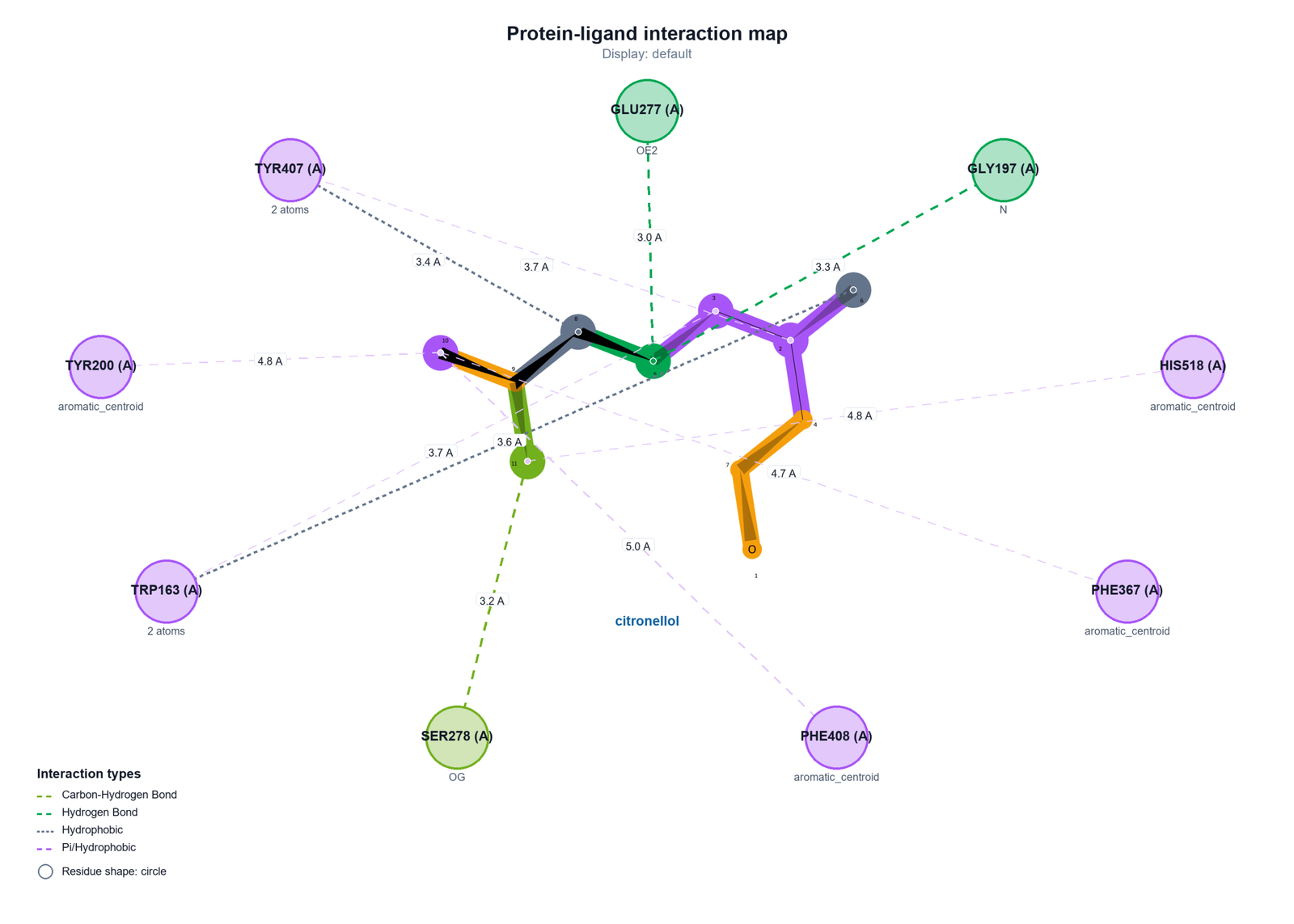
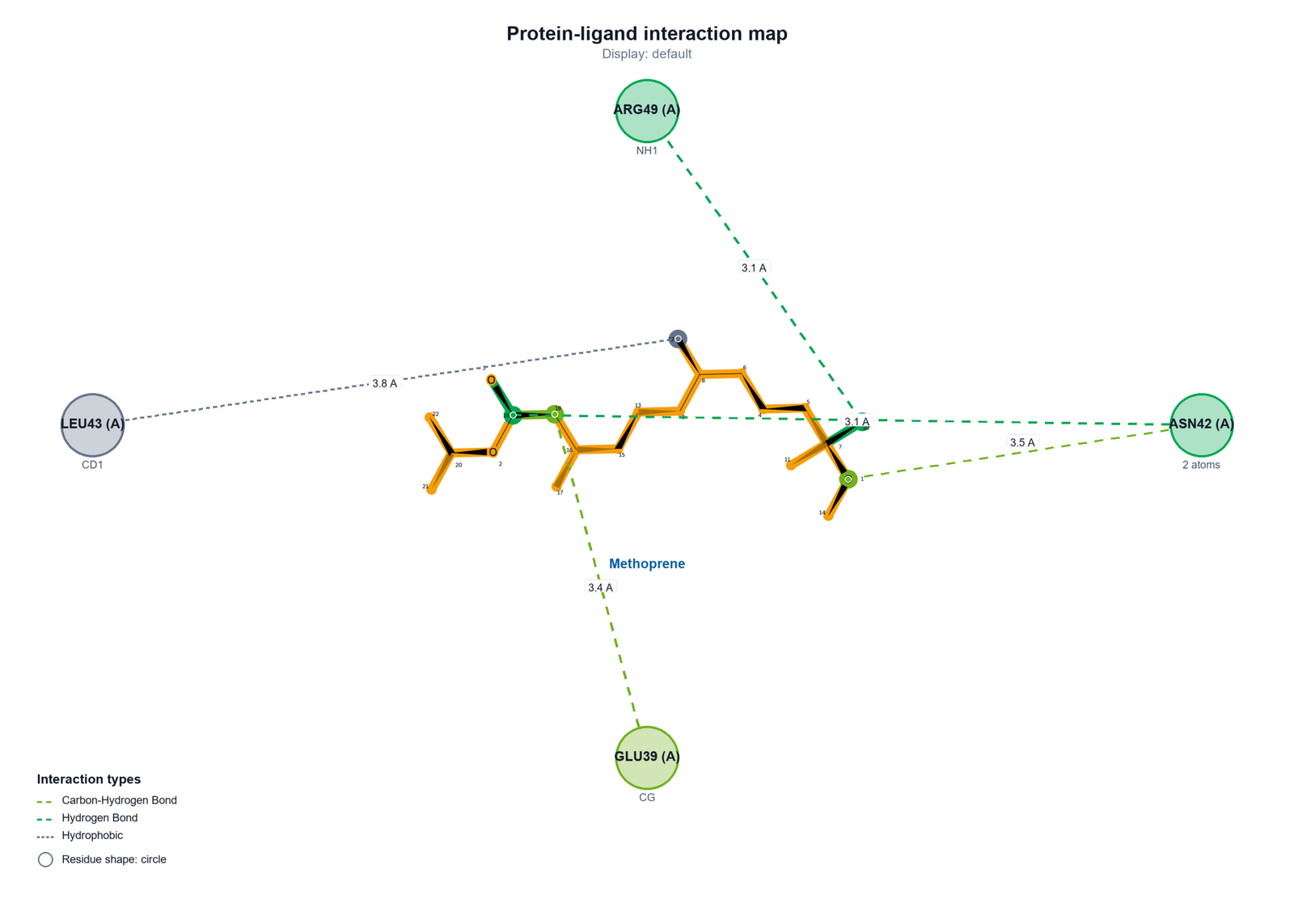
- Ligand–receptor interaction mapping and 2D/3D contact visualization.
- Batch file conversion, validation, and standardized naming of docking inputs.
- Automatic ranking summaries, heatmaps, and comparative visualization across targets and ligands.
- Multi-engine docking or consensus scoring, if more than one docking engine is already integrated.
Download
Pricing Plan
Need a custom pricing plan?